
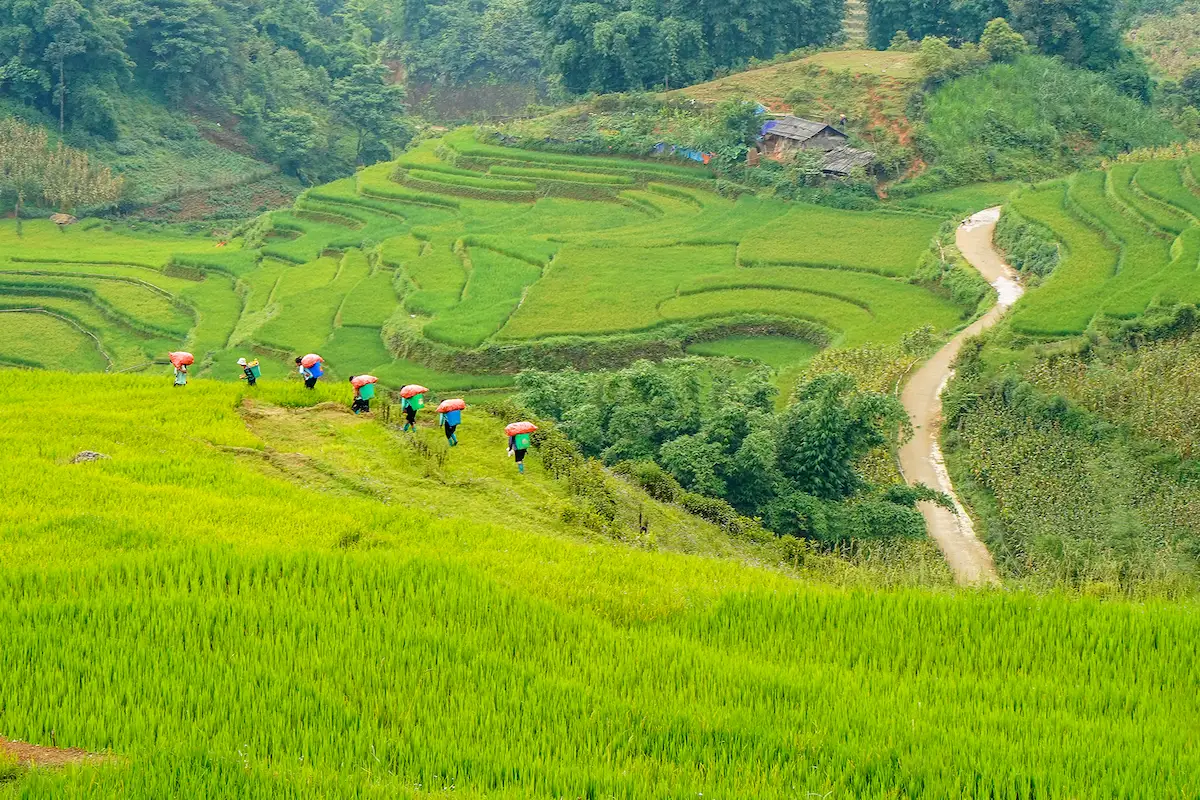
Planning a trip to Sapa, Vietnam? This Sapa travel guide explains the best time to visit, how to travel from Hanoi, where to go trekking, which villages to explore, and how to experience local culture respectfully. Whether you are looking for spectacular rice terraces, a comfortable mountain homestay, or an adventure to the summit of Fansipan, this guide will help you plan a rewarding journey through Northern Vietnam.
Located in the mountains of northwestern Vietnam, Sapa is famous for its dramatic valleys, winding mountain roads, terraced rice fields, and communities that maintain distinctive cultural traditions. The town is a convenient base for exploring the surrounding countryside, but some of its most memorable experiences lie beyond the busy central streets.
A well-planned visit combines outdoor activities with opportunities to learn about everyday life. You might spend a morning walking through rice-growing villages, enjoy a home-cooked meal with a local family, browse a traditional market, and finish the day watching clouds drift across the Hoang Lien Son mountain range.
Sapa also offers different experiences for different travel styles. Independent travellers can explore accessible routes near town, hikers can arrange longer valley treks, and visitors who prefer not to undertake a strenuous climb can take a cable car towards the summit of Fansipan, known as the Roof of Indochina.
Sapa at a Glance: Essential Travel Information
Location: The mountainous region of northwestern Vietnam, in Lao Cai Province.
Recommended stay: Two to four days, depending on your interest in trekking and village visits.
Best time for golden rice terraces: Often September to October, although harvest timing varies locally.
Best activities: Trekking, village walks, mountain scenery, local markets, homestays, and Fansipan.
Getting there: Direct road transfers from Hanoi or a train to Lao Cai followed by a road transfer to Sapa.
Weather: A cool mountain climate with mist, rain, cold winter conditions, and rapidly changing visibility.
1. Sapa Travel Guide: Why Visit This Mountain Destination?
Sapa is one of Northern Vietnam’s best-known mountain destinations because it combines spectacular scenery with cultural experiences and outdoor adventure. Rather than offering only one major attraction, the region gives visitors a variety of ways to explore its landscapes and communities.
Discover the Famous Rice Terraces
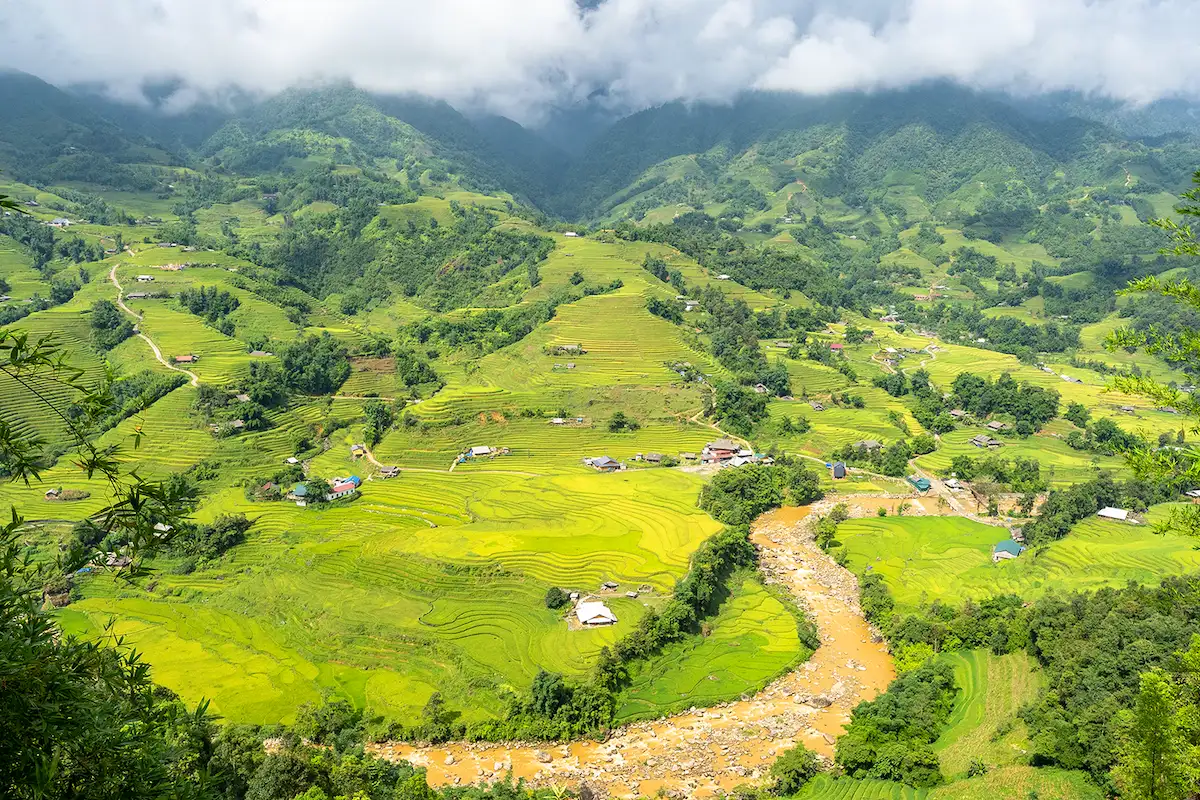
The terraced rice fields around Sapa are among the region’s most recognizable sights. Farmers have shaped the hillsides into agricultural steps that follow the natural contours of the mountains. The result is a striking landscape in which narrow paths, small settlements, streams, and cultivated fields form patterns across the valleys.
The appearance of the terraces changes throughout the growing season. At some times of the year, flooded fields reflect the sky; during the growing season, the slopes become green; closer to harvest, ripe rice can turn entire hillsides golden.
The scenery is best appreciated at walking pace. A village trek allows you to see the landscape from different elevations and understand how agriculture shapes everyday life. Remember that these are working fields rather than ornamental gardens, so stay on established paths and avoid walking through crops.
Explore the Hoang Lien Son Mountains
The Hoang Lien Son range creates the dramatic setting that makes Sapa different from Vietnam’s coastal cities and lowland countryside. Mountain ridges rise above deep valleys, while clouds and mist can change the scenery within minutes.
Visitors can appreciate the mountains through village walks, longer treks, viewpoints, cycling excursions, or a cable car journey towards Fansipan. Conditions are not always clear, however. A cloudy day may hide the most distant peaks, while the same weather can give the landscape a dramatic atmosphere.
Experience Village Life and Local Traditions
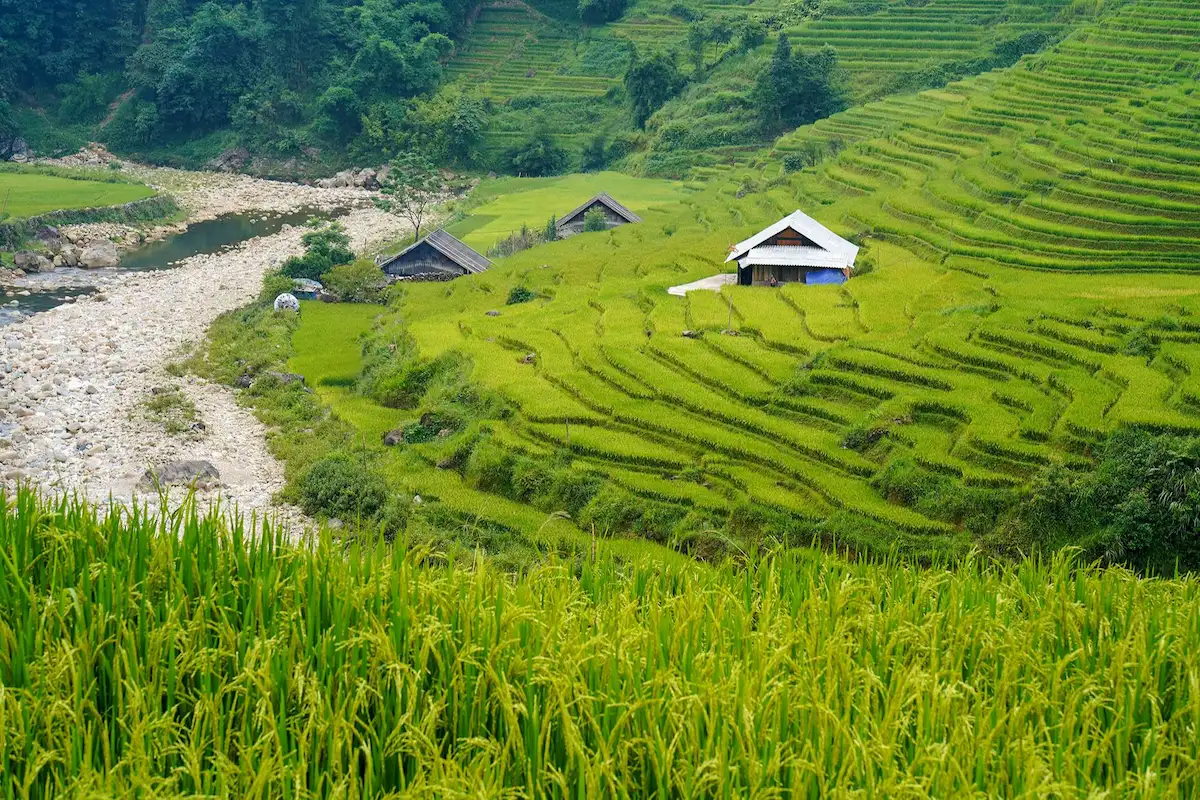
The wider Sapa area is home to several ethnic communities, including Hmong, Dao, Tay, Giay, and Xa Pho people. Their traditions, languages, clothing, agricultural practices, crafts, and community celebrations contribute to the region’s cultural diversity.
Visiting villages with a knowledgeable local guide can help you understand more than the scenery alone. You may learn about traditional textiles, farming practices, local food, or the ways tourism has changed livelihoods. Choose experiences that respect residents’ privacy and support local businesses.
Choose Your Own Style of Mountain Adventure
You do not need to be an experienced mountaineer to enjoy Sapa. Short village walks suit travellers who want scenery without a demanding hike, while multi-day treks appeal to those who enjoy more time outdoors. Other visitors prefer to stay in a comfortable hotel, take selected excursions, and experience the mountains at a relaxed pace.
The key is matching your itinerary to your fitness, available time, weather expectations, and interests. If you are uncertain about trail conditions, a local guide can help you choose a suitable route.
2. Best Time to Visit Sapa: Weather and Rice Terrace Seasons
The best time to visit Sapa depends on your priorities. Travellers hoping to photograph golden rice terraces may prefer late summer or early autumn, while those more interested in comfortable trekking conditions may consider spring or autumn. Winter brings a different atmosphere, with cold temperatures and frequent mist in some areas.
| Period | Typical Conditions | Best For |
|---|---|---|
| March–May | Generally mild to warm, with changing cloud and rainfall. | Walking, spring scenery, and outdoor exploration. |
| June–August | Greener landscapes, warmer weather, and the possibility of heavy rain. | Lush rice terraces and summer mountain scenery, with flexible trekking plans. |
| September–October | Often attractive for mountain views and ripening or golden rice fields. | Rice terrace photography, trekking, and village walks. |
| November–February | Cold spells, mist, damp conditions, and occasional frost at higher elevations. | A quieter mountain atmosphere, provided you prepare for cold weather. |
When Are Sapa’s Rice Terraces at Their Best?
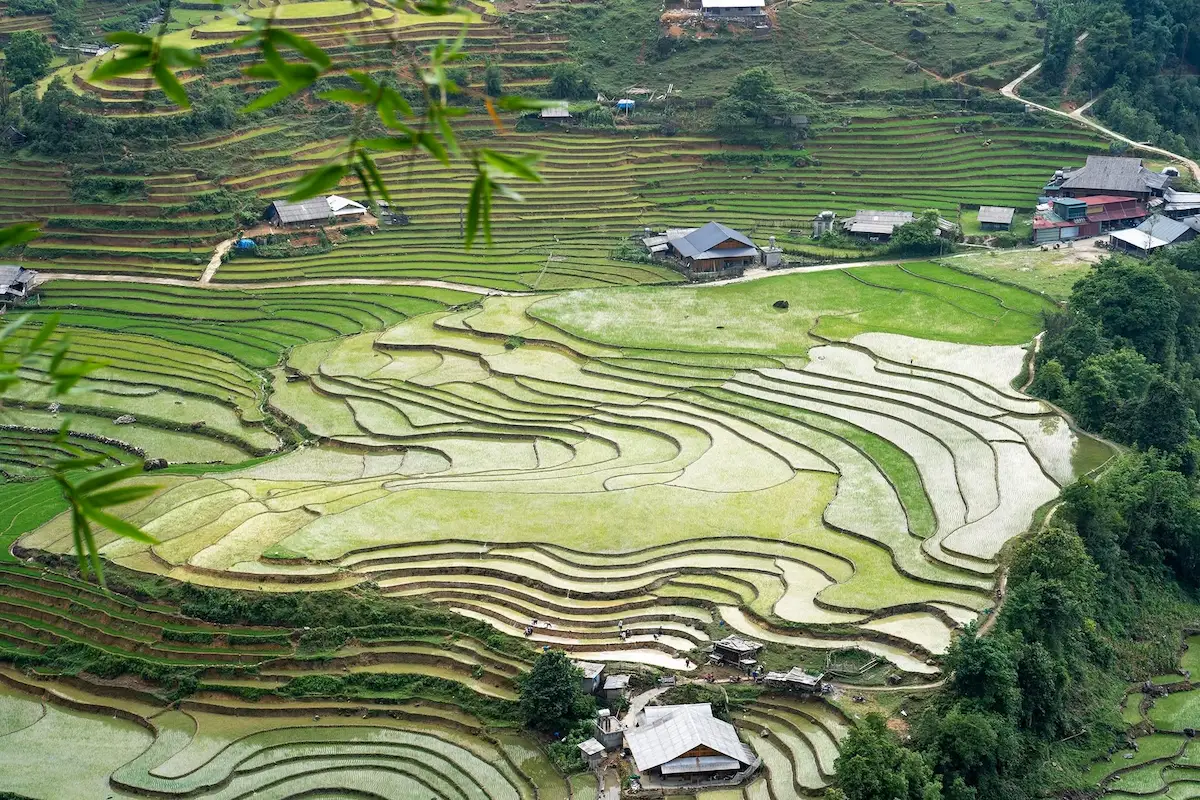
The visual changes in the rice terraces are connected to the local agricultural calendar. Around May and June, some fields are prepared and filled with water for planting, creating reflective surfaces across the hills. During the growing months, the terraces can become vivid green. Around harvest time, many slopes turn yellow or golden.
September and October are commonly recommended for seeing golden terraces, but there is no single date when every valley reaches the same stage. Differences in elevation, weather, planting schedules, and local farming practices affect the timing. If the rice fields are the main reason for your visit, ask a local guide about current conditions shortly before travelling.
Is Sapa Worth Visiting in Winter?
Yes, provided you understand the conditions. Winter can be atmospheric, with misty streets, cloud-covered mountain slopes, and chilly evenings. However, visibility can be limited, and the temperature may feel much colder than expected, especially when the weather is damp or windy.
Bring a warm jacket, layers, and suitable footwear. If you are hoping to see panoramic views from Fansipan or distant mountain viewpoints, allow some flexibility because clouds can obscure the scenery. Do not assume that snow is a normal or guaranteed feature of a Sapa winter.
3. How to Get to Sapa from Hanoi
Most international visitors reach Sapa through Hanoi. The two main options are travelling directly by road or taking an overnight train to Lao Cai and continuing by road into the mountains. The best choice depends on your budget, sleeping preferences, arrival schedule, and tolerance for long journeys.
Option 1: Limousine Van or Sleeper Bus

Road transfers are convenient because many services travel directly between Hanoi and Sapa. Shared limousine vans offer a relatively comfortable option for travellers who prefer a daytime journey, while sleeper buses may suit visitors who want to travel overnight.
A journey by road commonly takes around five to six hours, but the actual duration depends on traffic, weather, departure location, and rest stops. Some operators offer hotel pick-up in central Hanoi, while others use a fixed meeting point. Confirm the exact departure location and arrival arrangements before booking.
Before choosing a bus, compare seat configuration, luggage allowance, departure time, passenger reviews, and whether the vehicle travels directly to Sapa or requires a transfer. If you have back problems, are travelling with young children, or prefer more legroom, check the seating arrangement carefully.
Option 2: Overnight Train to Lao Cai
Taking the train provides a different travel experience and allows you to sleep during much of the journey. Overnight rail services from Hanoi arrive at Lao Cai Railway Station, which is in the lowlands rather than in Sapa itself.
From Lao Cai, continue by shared minivan, taxi, or a pre-arranged private transfer to Sapa. The final section follows mountain roads, so allow time for the transfer rather than treating the train’s arrival time as your arrival time in town.
If you choose the overnight train, check the cabin configuration, bedding arrangements, ticket conditions, and arrival time. It is worth planning what you will do if you arrive before your accommodation is ready, particularly when travelling with luggage or after a night with limited sleep.
Option 3: Private Car or Private Transfer
A private transfer offers flexibility and may be convenient for families, small groups, or travellers with substantial luggage. It also allows you to arrange a departure time that suits your plans more closely.
This option generally costs more than a shared service, so confirm the total vehicle price, passenger capacity, luggage space, tolls or other applicable charges, and planned stops. If you want to stop for photographs, ask whether the driver can safely accommodate these requests along the route.
| Transport | Main Advantage | What to Consider |
|---|---|---|
| Limousine van | Direct road connection and convenient departure options. | Seat comfort, luggage capacity, traffic, and pick-up location. |
| Sleeper bus | May reduce the need to spend a separate night travelling during the day. | Sleeping comfort, journey schedule, and early arrival arrangements. |
| Train plus transfer | An overnight rail journey with a separate mountain transfer. | Train and transfer timings must connect properly. |
| Private car | Flexible departure and private travel. | Higher cost and the need to confirm what the quoted price includes. |
Book transport ahead during popular travel periods and confirm your departure details with the operator shortly before travelling. For a broader route-planning overview, see our Northern Vietnam Travel Guide.
4. Where to Stay in Sapa: Hotels, Mountain Lodges, and Homestays
Choosing where to stay is an important part of planning a Sapa trip. The town center offers convenient access to restaurants, shops, transport, and the cable car area, while accommodation in the valleys gives visitors a closer connection to the rice terraces and rural landscape.
Sapa Town: Best for Convenience
Sapa town is a practical base for first-time visitors, particularly those travelling without a private vehicle. It has a broad range of accommodation, eateries, shops, and services, making it easier to arrange transport or choose activities at short notice.
Staying in town can also be convenient if you are planning to visit Fansipan or take a series of shorter excursions. The trade-off is that the center can be busy, and some viewpoints or village trails require additional transport. Ask about heating, room insulation, noise, and views before booking because weather can make the conditions inside a room as important as the location.
Muong Hoa Valley: Best for Rice Terraces and Trekking
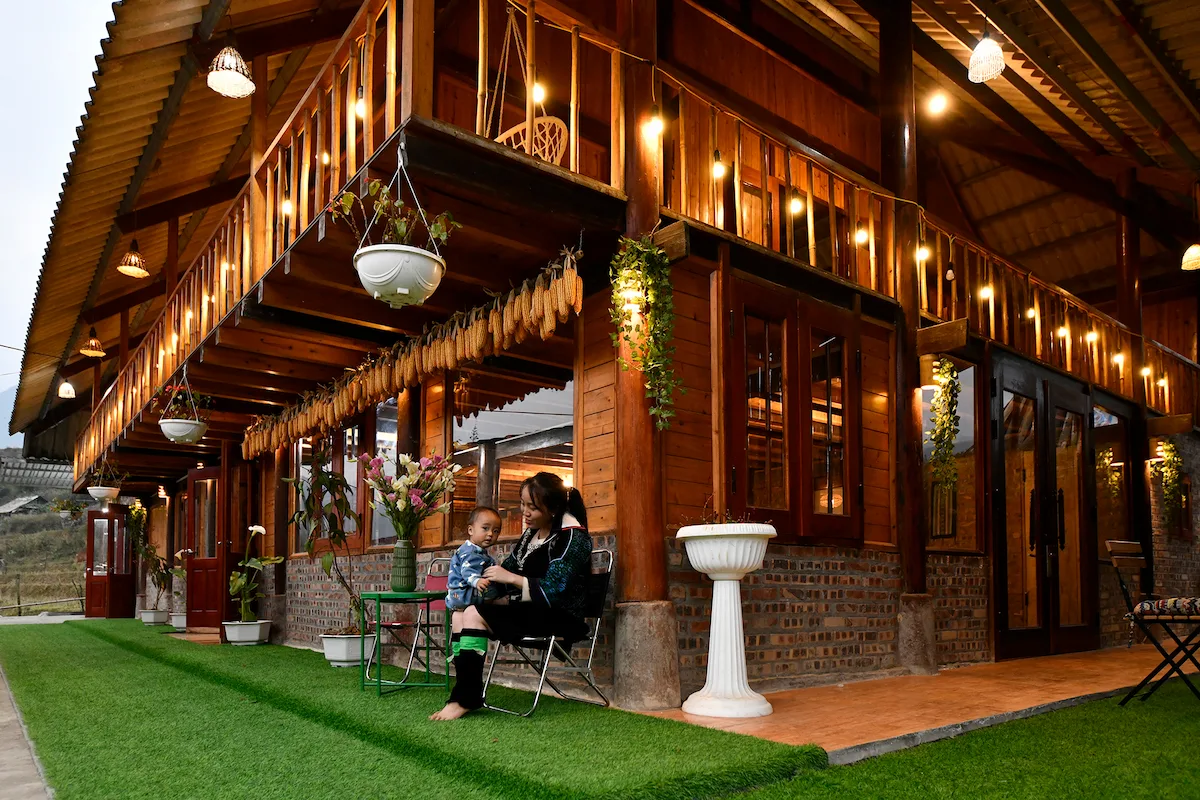
The Muong Hoa Valley area is known for terraced fields, villages, and trekking routes through the countryside. Staying here allows you to experience the landscape at a slower pace and may reduce the need to travel from the town center every day.
Accommodation ranges from simple family-run homestays to more comfortable lodges. Before booking, consider how you will reach the property, whether a vehicle can access the entrance, and how far it is from the route you want to explore. Rural properties may be less convenient for late-night meals or spontaneous transport.
Ta Van and Lao Chai: Best for a Village Stay
Ta Van and Lao Chai are popular stops for travellers exploring the valley’s villages and rice terraces. They are suitable places to consider if you want a homestay experience, scenic walks, and a quieter environment than the main town.
A village stay can be especially rewarding after a day of trekking, but the facilities may differ from those of a hotel. Ask about bathroom arrangements, hot water, meals, heating, bedding, internet access, and the availability of staff who can communicate in your preferred language.
Ta Phin: Best for a Cultural Focus
Ta Phin is another area worth considering for travellers interested in village life and local crafts, including traditions associated with the Red Dao community. Depending on your chosen experience, you may learn about textile work, local customs, or traditional herbal practices.
These are living traditions rather than performances created solely for visitors. Choose community-based experiences that are offered with the participation and consent of local residents, and ask before photographing homes, people, or cultural activities.
| Area | Best For | What to Consider |
|---|---|---|
| Sapa town | Convenience, restaurants, transport, and day excursions. | Busy streets, noise, and distance to particular trekking routes. |
| Muong Hoa Valley | Rice terraces, valley scenery, and walking. | Transport, steep access roads, and weather exposure. |
| Ta Van and Lao Chai | Village walks, homestays, and a slower pace. | Facilities, road access, and distance from town services. |
| Ta Phin | Local traditions, crafts, and village experiences. | Arrange transport and confirm activities in advance. |
5. Best Trekking Routes and Villages in Sapa
Trekking is one of the best ways to discover Sapa’s landscapes. Routes range from short walks near town to full-day excursions and multi-day journeys involving village accommodation. The most suitable option depends on your fitness, the weather, how much time you have, and whether you want to focus on views, village life, or a physical challenge.
Trail conditions may be affected by rain, mud, construction, local access arrangements, and agricultural activity. Distances and durations therefore vary by route and starting point. Ask your guide or accommodation provider about current conditions before committing to a trek.
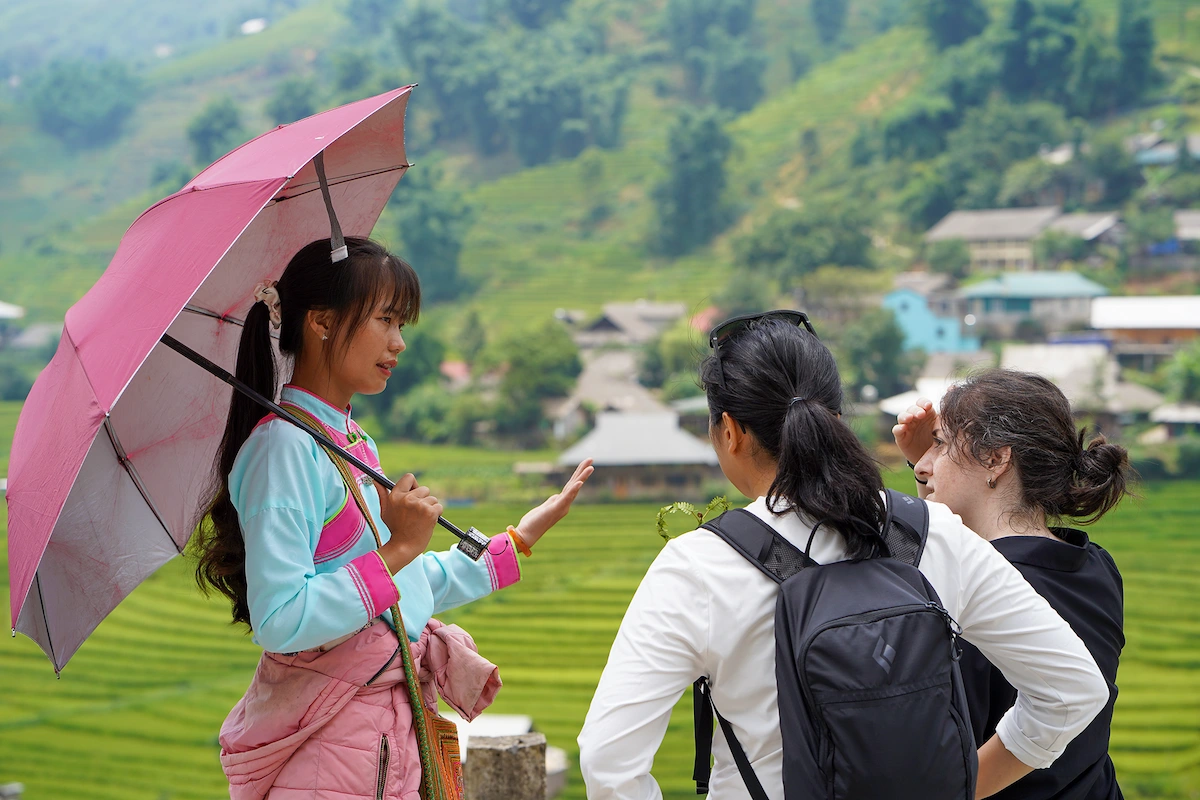
Cat Cat Village: A Convenient Introduction
Cat Cat Village is a well-known option for visitors who want a relatively accessible introduction to Sapa’s cultural landscape. It is often combined with a walk through the surrounding countryside and opportunities to see traditional crafts, local buildings, and scenic viewpoints.
Do not assume that the route is entirely flat or effortless. Paths can include long stairways, uneven surfaces, and steep sections. Comfortable shoes are essential, and visitors with mobility concerns should check the route conditions before setting out.
Because Cat Cat is a popular visitor destination, the experience can be more developed for tourism than in less-visited rural areas. Approach it as both a sightseeing stop and a place where people live and work, rather than expecting every part of the village to function as an untouched historical display.
Lao Chai to Ta Van: A Classic Valley Walk
The Lao Chai and Ta Van area is one of the most popular places for exploring Sapa’s rice terraces and rural scenery. Depending on the chosen trail, a walk may pass cultivated fields, village homes, small streams, and viewpoints across the Muong Hoa Valley.
The route can provide a good balance of nature and cultural observation. Rather than rushing from one viewpoint to another, allow time to appreciate the landscape and learn about local agricultural practices. During wetter periods, trails can become slippery, especially where paths pass between fields or descend into the valley.
If your accommodation is in the valley, you may be able to start walking directly from the property. Otherwise, confirm the meeting point and transport arrangements with your guide. Ask whether the proposed route includes steep climbs, muddy sections, river crossings, or any additional charges.
Experience Sapa’s Rice Terraces on a 2-Day Trek
If you want to explore the Muong Hoa Valley beyond a short village walk, consider our 2-day Sapa trekking tour from Hanoi. This small-group journey follows scenic trails through Y Linh Ho, Lao Chai, Ta Van, and Giang Ta Chai, covering approximately 16 km of trekking across two days.
With an English-speaking local guide, an overnight stay at a traditional homestay in Ta Van, and round-trip daytime bus transfers from Hanoi, it’s a convenient way to experience Sapa’s rice terraces, mountain scenery, and local cultures without arranging every detail yourself.
Ta Phin Village: Culture and Traditional Crafts
Ta Phin is worth considering if you want to learn more about local community traditions, including those associated with the Red Dao. Depending on your visit, you may encounter textile work, embroidery, traditional clothing, or locally offered wellness experiences.
A visit becomes more meaningful when it is based on genuine interaction rather than simply observing people for photographs. Consider booking with a local guide or community-based provider who can explain the village’s traditions accurately and help you understand appropriate visitor etiquette.
Muong Hoa Valley: Best for Landscape Photography
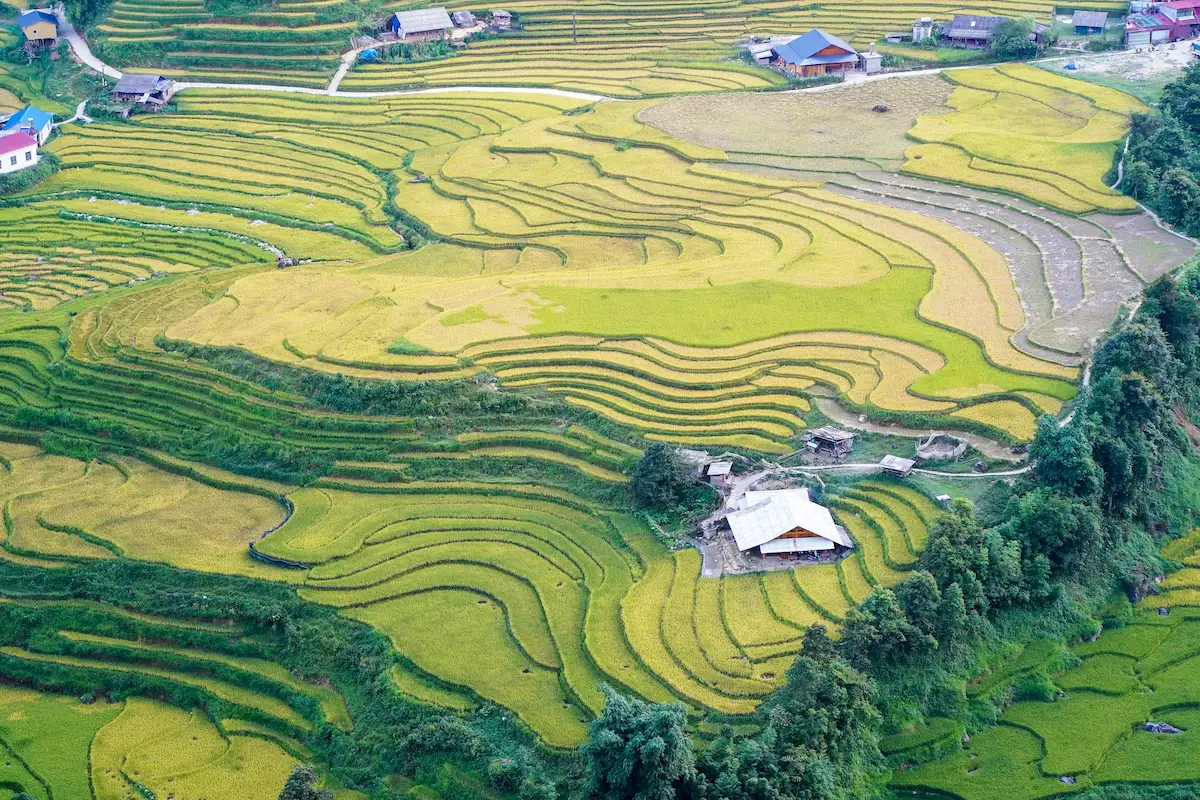
Photography conditions vary with the season. Flooded fields can create reflective surfaces, green rice gives the hills a vivid appearance, and ripening rice adds golden tones near harvest. Mist can make the scenery dramatic but may reduce visibility on steep or exposed trails.
Use established paths, avoid entering private fields without permission, and be cautious when stopping for photographs near roads or streams. A local guide can help identify viewpoints without disturbing agricultural work or causing unnecessary damage to the landscape.
Longer Treks and Overnight Village Routes
Travellers with more time may choose a multi-day trek that combines several villages, mountain paths, and a night in local accommodation. This approach gives you more time to explore the valley at a slower pace and can reduce the feeling of rushing between attractions.
Overnight treks require more preparation than a short village walk. Confirm the daily distance, elevation gain, expected walking time, meal arrangements, sleeping facilities, and luggage requirements. Ask whether a guide is included and what happens if weather conditions make part of the route unsafe.
For visitors unfamiliar with mountain terrain, a guided trek is a sensible choice. The guide can assess changing conditions, help with navigation, and provide context about the communities along the route. More experienced hikers should still check local guidance rather than relying exclusively on old trail descriptions.
6. Visiting Mount Fansipan: Cable Car or Trekking Adventure?
Fansipan is the highest mountain in Vietnam, reaching approximately 3,143 metres above sea level. Its summit and surrounding mountain scenery are among Sapa’s best-known attractions. Visitors can experience the area through a cable car journey or, for those with appropriate preparation, a guided mountain trek.
Fansipan Cable Car: An Accessible Way to Reach the Summit

Sun World Fansipan Legend’s 2026 cable car and combo ticket prices
The Fansipan cable car provides access to the high mountain environment without requiring visitors to climb the entire route on foot. The cable car journey itself takes approximately 15 minutes, subject to operating conditions, and offers views over the Hoang Lien Son range when visibility is good.
At the upper station, visitors can explore the summit area and associated religious and architectural sites. Reaching the highest point may involve additional steps and walking, so comfortable shoes remain important even if you are not undertaking a long trek.
The summit can be considerably colder than Sapa town. Bring warm clothing and be prepared for wind, mist, or a sudden change in visibility. On clear days, the views can be spectacular; on cloudy days, the mountain atmosphere is still part of the experience, but distant scenery may be hidden.
Cable car operating hours and access arrangements can change because of weather, maintenance, or operational decisions. Check the official Sun World Fansipan Legend website before travelling and confirm the latest ticket information and service schedule.

Trekking to Fansipan: A More Demanding Adventure
Reaching Fansipan on foot is a very different undertaking from visiting by cable car. The mountain route involves sustained climbing, changing weather, steep terrain, and physical demands that should not be underestimated.
An ascent generally requires a carefully planned guided expedition rather than an improvised day walk. Discuss your fitness, hiking experience, expected duration, equipment, accommodation arrangements, and emergency procedures with an experienced local operator before booking.
Do not attempt the climb alone if you are unfamiliar with the mountain, and do not continue simply because you have already invested time in the ascent. A guide should be able to explain the current conditions and advise when it is necessary to change or abandon a route.
How to Plan Your Fansipan Visit
- Check current opening hours, ticket information, and any weather-related service notices.
- Allow enough time for transport, queues, walking, and returning to Sapa town.
- Bring a warm layer, even if the weather feels mild at your hotel.
- Wear shoes suitable for uneven paths and stairs.
- Respect religious spaces and follow signs or staff instructions.
- Keep your schedule flexible if you are hoping for clear mountain views.
For most first-time visitors, the cable car provides an accessible way to experience Fansipan without committing to a multi-day climb. A guided trek is more suitable for travellers seeking a strenuous mountain adventure and who have prepared accordingly.
7. Ethnic Cultures in Sapa: How to Experience Local Life Respectfully
Sapa’s cultural diversity is an important part of its identity. Communities living in the region include Hmong, Dao, Tay, Giay, and Xa Pho people, among others in the wider area. Their traditions and everyday lives are connected with farming, crafts, family networks, language, and local celebrations.
Cultural experiences are most valuable when they help visitors understand local life without turning residents into attractions. A responsible approach involves listening, asking questions respectfully, supporting local businesses, and recognizing that customs may differ between communities and families.
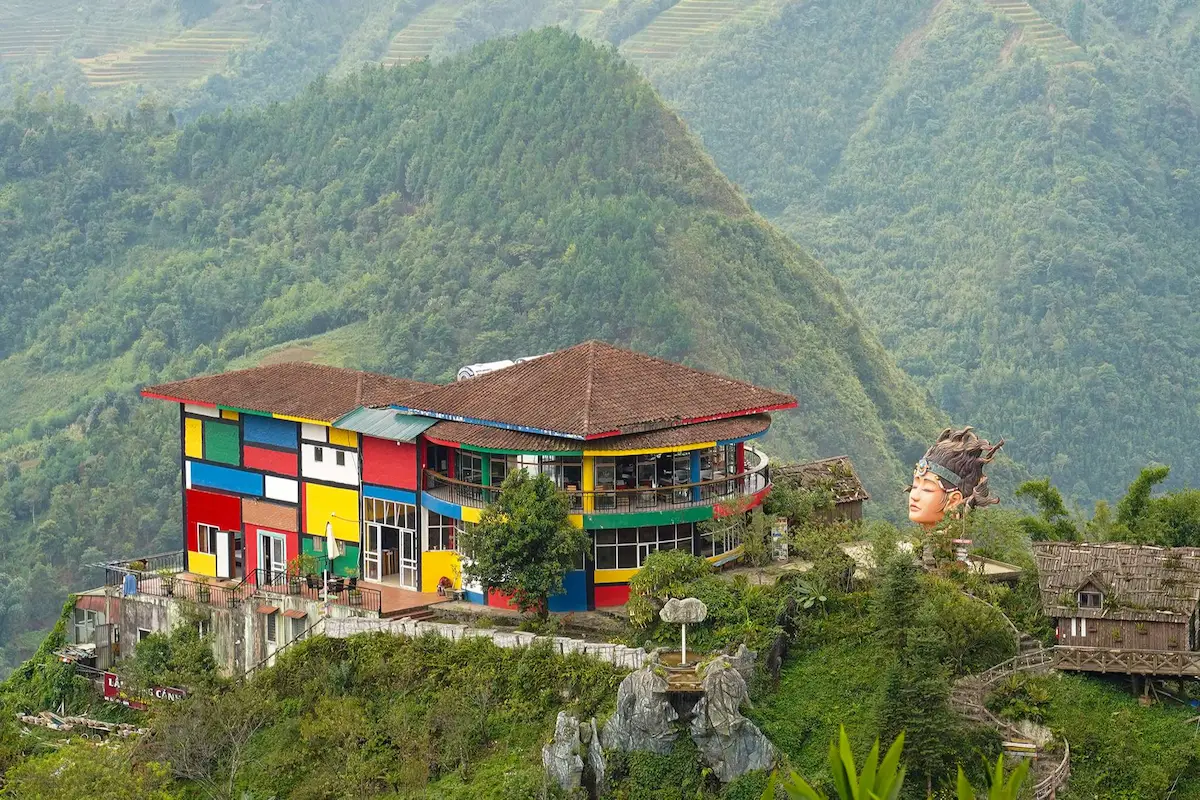
Learn About Hmong Traditions
Hmong communities are an important part of the cultural landscape around Sapa. Traditional textile skills, embroidery, indigo-dyed fabrics, and distinctive clothing are among the crafts and traditions visitors may encounter.
Instead of assuming that every household follows the same customs, ask local guides to explain the specific community you are visiting. If you are interested in textiles or handicrafts, consider purchasing directly from local makers or reputable community businesses where possible.
Discover Red Dao Heritage
Red Dao communities are known for distinctive traditional clothing and embroidery, and some local experiences introduce visitors to textile traditions and herbal bathing practices. Such activities are part of a broader cultural context rather than interchangeable services offered everywhere in Sapa.
If a provider offers a cultural or wellness experience, ask who provides it, what is included, and whether it is appropriate for your needs. Do not assume that a practice is medically effective simply because it is traditional; treat it as a cultural experience unless qualified health advice establishes otherwise.
Explore Tay and Giay Village Life
Tay and Giay communities contribute to the region’s rich cultural diversity through local traditions, food, crafts, architecture, and community life. Depending on the area, visitors may encounter different styles of houses, farming practices, and local celebrations.
A village walk with a local guide can help you understand these differences without making assumptions about all people in the region. If you are staying in a homestay, take the opportunity to learn about the host family’s daily routines and the way tourism fits into their livelihoods.
Visit a Local Market
Markets provide an opportunity to see local produce, household goods, textiles, and everyday trading. Some are important meeting places for residents from surrounding villages, while others have developed a stronger tourism focus.
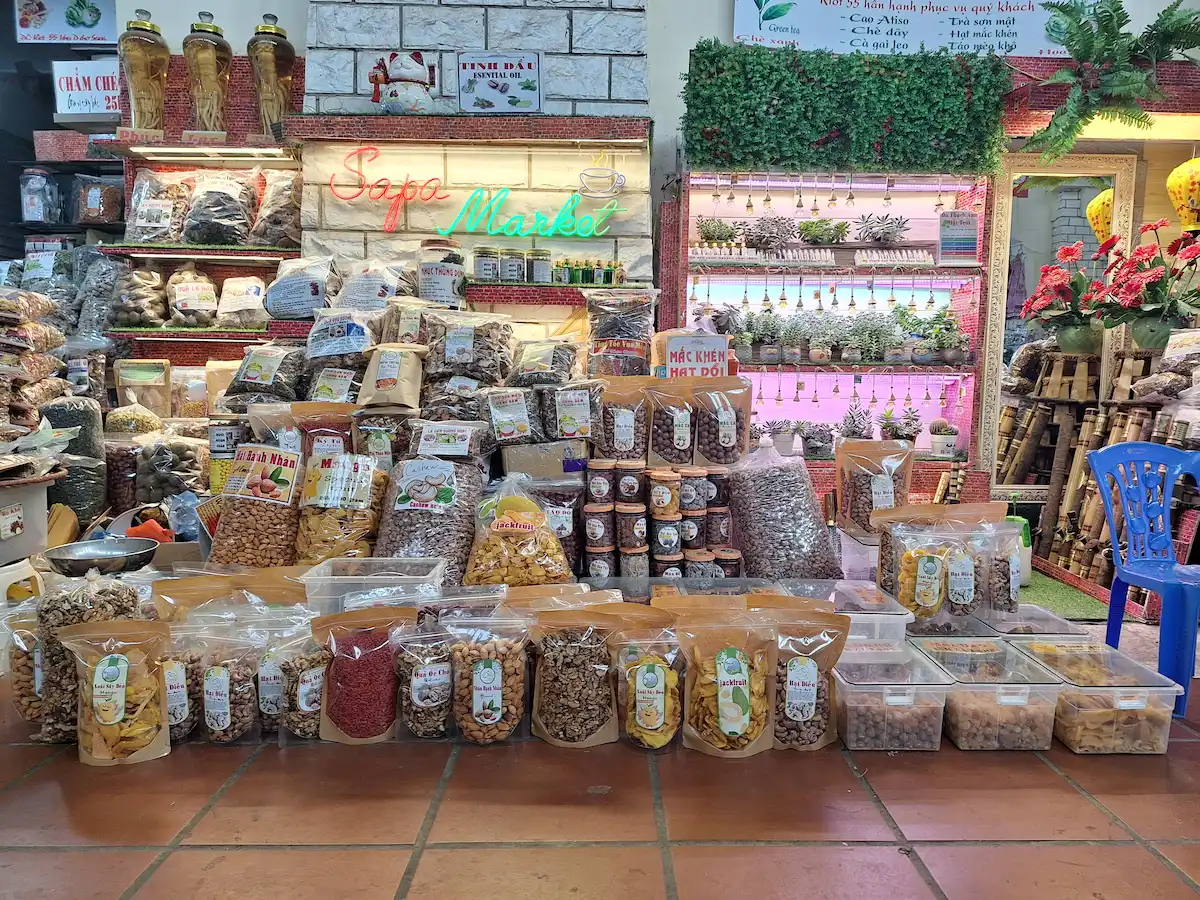
If you want to attend a market outside the immediate Sapa area, such as Bac Ha Market, check its usual market day and arrange the journey in advance. These markets are not all located within easy walking distance of Sapa town, and travel time can be substantial.
Responsible Travel Etiquette
- Ask before taking photographs. A friendly request gives residents the opportunity to agree or decline.
- Respect private property. Do not enter homes, courtyards, or working areas without permission.
- Buy thoughtfully. Ask about the maker and materials when purchasing local handicrafts.
- Reduce waste. Carry rubbish with you and avoid leaving plastic bottles or packaging along trails.
- Choose local providers. Consider guides and homestays that involve and benefit the communities you visit.
- Follow cultural guidance. Ask about suitable clothing, religious customs, and behavior before attending a ceremony or visiting a place of worship.
Community-based tourism can provide valuable income and opportunities to preserve local knowledge, but the quality and impact of experiences differ. Ask questions, read recent reviews, and choose providers who communicate clearly about how activities are organized.
8. What to Eat in Sapa: Mountain Food and Local Specialties
Sapa’s food scene combines familiar Vietnamese dishes with specialties associated with the cool mountain environment and local communities. Meals are a useful way to explore the region’s ingredients, agricultural products, and cooking traditions.
Salmon or Sturgeon Hot Pot
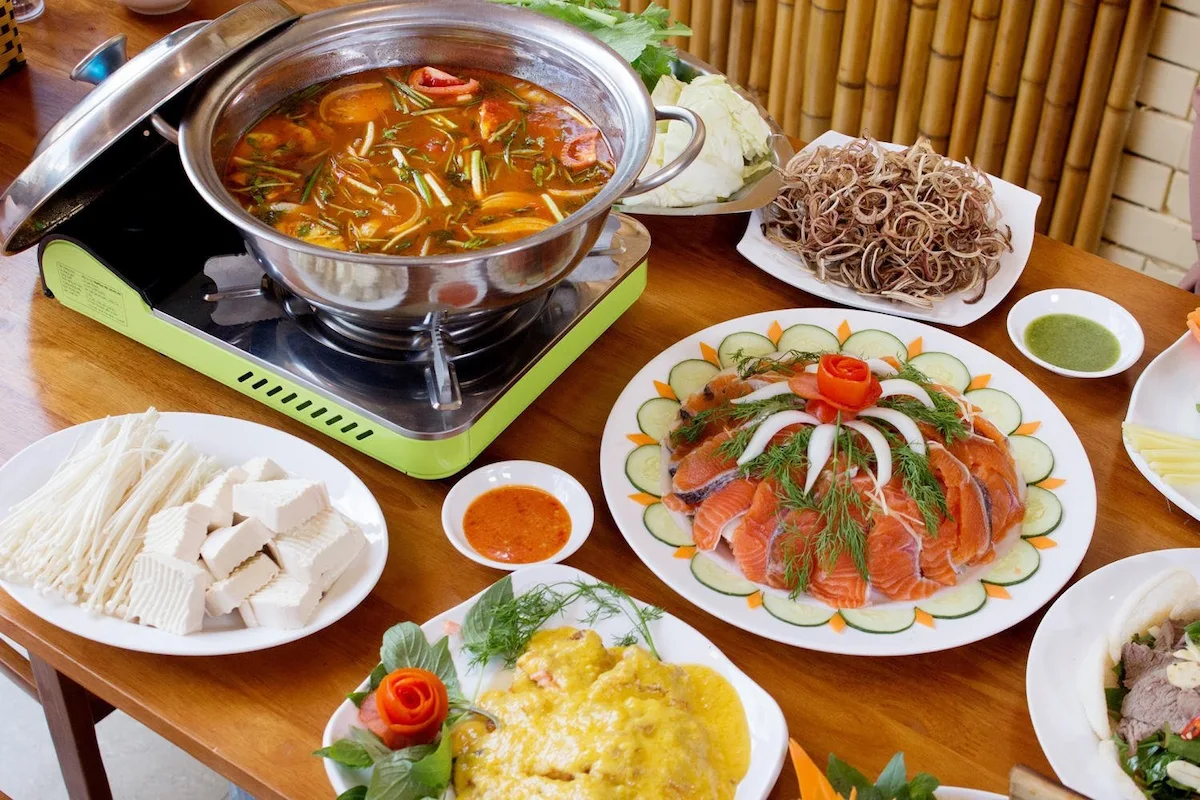
Hot pot is a popular choice in Sapa, especially when the weather is cold. Salmon or sturgeon may be served with vegetables, herbs, mushrooms, noodles, and a hot broth that diners cook at the table.
This is often a good meal for couples or groups who want to share several ingredients. Ask about portion sizes and the type of broth before ordering, particularly if you have dietary restrictions.
Grilled Mountain Food
Grilled foods are easy to find in the town’s dining areas, particularly during cool evenings. Depending on the restaurant or street stall, you may see meat, vegetables, mushrooms, or other ingredients prepared over charcoal or on a grill.
Choose food that is freshly cooked and served hot, and ask about the ingredients if you have allergies or specific dietary requirements. Menus and preparation methods vary between establishments, so do not assume every dish is prepared in the same way.
Thang Co and Other Regional Dishes
Thang co is associated with traditional food culture in Vietnam’s northern highlands. Recipes and serving styles vary, and the dish may contain ingredients that are unfamiliar to international visitors.
If you would like to try it, ask a local guide or restaurant staff to explain the ingredients before ordering. Trying a regional specialty can be a valuable cultural experience, but there is no need to order something that does not match your preferences.
Local Vegetables and Seasonal Ingredients
The mountain climate and surrounding agricultural areas influence the vegetables and other produce available in Sapa. Local meals may include leafy greens, mushrooms, herbs, and ingredients that complement grilled food or hot pot.
Eating seasonally is a good way to experience regional cooking, and a homestay meal may introduce you to dishes that are less common on tourist restaurant menus. Ask your host what is prepared locally and whether meals can be adapted for vegetarian or vegan visitors.
9. Sapa Itinerary: How Many Days Should You Spend?
Two to four days is a useful planning range for many visitors. One full day allows a quick introduction, while additional time makes it easier to combine trekking, village experiences, and Fansipan without rushing.
One Day in Sapa
Morning: Explore Sapa town and choose a nearby viewpoint or a short walk suitable for the weather and your fitness.
Afternoon: Visit Cat Cat Village or take a short guided excursion into the surrounding countryside.
Evening: Enjoy a local meal, explore the town center, and prepare for your next day’s journey. This itinerary is best for travellers with very limited time.
Two Days in Sapa
Day 1 — Trekking and village scenery: Arrange a guided walk through the Muong Hoa Valley, exploring the area around Lao Chai and Ta Van according to current trail conditions. Stay in town or at a village homestay.
Day 2 — Fansipan or a cultural visit: Choose the cable car for mountain scenery, or explore Ta Phin and other nearby villages if cultural experiences are your priority. Leave enough time for transport and changing weather.
Three Days in Sapa
Day 1 — Arrive and explore: Settle into your accommodation, walk around Sapa town, and enjoy the mountain atmosphere. Keep the first day flexible if you have travelled overnight.
Day 2 — A full village trek: Spend the day exploring the Muong Hoa Valley, rice terraces, and villages with a local guide. Consider an overnight homestay if you want a deeper countryside experience.
Day 3 — Fansipan: Visit the mountain by cable car if operating conditions permit, or choose a shorter excursion based on the weather. Return to town in time for your onward journey only if the transport schedule allows sufficient margin.
Four Days in Sapa
Day 1 — Arrival and local orientation: Check in, explore town, and prepare for trekking. Use the afternoon to confirm your guide and check the forecast.
Day 2 — Valley trekking: Walk through the rice terraces and villages around Muong Hoa Valley, choosing a route appropriate for your fitness.
Day 3 — Cultural experiences: Visit Ta Phin or another suitable village, learn about traditional crafts, and enjoy a home-cooked meal or a community-based experience.
Day 4 — Fansipan or a relaxed mountain morning: Take the cable car if conditions are suitable, or spend the morning exploring another nearby viewpoint before continuing your journey.
Your ideal itinerary may differ depending on the season. During wet weather, reduce the amount of trekking and choose a safer alternative. If your main goal is photography, allow extra time for changing light and cloud cover. If you want to learn about local culture, prioritize a village visit or homestay instead of filling every day with viewpoints.
10. Sapa Trekking Safety and Packing List
Mountain trekking requires more preparation than walking around a city. Even popular routes can include mud, steep steps, uneven rocks, narrow paths, and exposed sections. Weather conditions may change rapidly, and trails that look straightforward in photographs can be difficult after rain.
Essential Items for a Sapa Trek
- Walking shoes: Choose shoes with good grip and suitable support for the expected terrain.
- Rain protection: A lightweight waterproof jacket is useful in changeable mountain weather.
- Warm layers: Bring a fleece or another insulating layer, even when the town feels warm.
- Water: Carry enough drinking water for the planned route and refill responsibly.
- Sun protection: Sunglasses, sunscreen, and a hat are useful when the sun is strong.
- Small daypack: Keep essentials together and avoid carrying unnecessary weight.
- Personal medication: Pack any medication you normally need and keep it accessible.
- Cash and phone: Some rural services may not accept cards, and mobile coverage can vary along the route.
Trekking Safety Tips
Tell your guide about any health or mobility limitations before starting. Do not assume that a route is suitable simply because it is described as easy online. Ask about steep climbs, slippery sections, expected duration, and the possibility of changing the route if conditions deteriorate.
During heavy rain, postpone exposed or difficult walks if local advice indicates unsafe conditions. Slippery trails, swollen streams, and landslide risks can make some routes unsuitable. Avoid crossing fast-moving water or continuing into areas where visibility or footing is poor.
If trekking independently on an accessible route, let your accommodation know your plans, carry a charged phone, and stay on established paths. Remote or unfamiliar trails are better explored with a knowledgeable local guide. Never enter private farmland or restricted areas without permission.
Finally, keep your pace realistic. Stop when you need to rest, drink water regularly, and communicate with your guide if you feel unwell or uncomfortable. A successful trek is one that matches your ability and conditions, not simply the longest route you can complete.
11. Practical Sapa Travel Tips for International Visitors
Bring Enough Cash for Rural Areas
Hotels, established restaurants, and some transport providers may accept cards or electronic payments, but cash remains useful for local meals, small purchases, and rural services. Carry a reasonable amount of Vietnamese dong while keeping larger sums and important documents secure.
Do Not Underestimate the Cold
Sapa’s mountain climate may feel much cooler than Hanoi, particularly in winter or after sunset. Even in warmer months, the weather can change quickly at higher elevations. Layering is usually more practical than relying on one heavy item of clothing.
Confirm Homestay Facilities in Advance
The word “homestay” can describe a variety of accommodation types, from a room in a family home to a larger property marketed primarily to travellers. Before booking, confirm the bathroom arrangement, hot water, meals, bedding, heating, privacy, and accessibility.
Plan Around Travel Time
Do not schedule demanding trekking immediately after an overnight journey if you expect to be tired. Allow time to reach your accommodation, rest, and check weather conditions. Similarly, leave a sensible margin between the end of a trek and a scheduled bus or train departure.
Check Current Activity and Entry Arrangements
Fees, opening hours, transport schedules, and access conditions can change. Confirm these details with the relevant operator or official source instead of depending on old travel articles. This is particularly important for Fansipan, popular village attractions, and guided mountain activities.
12. Frequently Asked Questions About Sapa
Is Sapa worth visiting?
Yes. Sapa combines mountain scenery, rice terraces, trekking opportunities, village stays, and distinctive cultural traditions. It is especially rewarding for travellers who want to explore Northern Vietnam beyond its major cities. The experience depends on your interests and the weather, so allow enough time rather than treating Sapa as only a quick stop.
What is the best month to visit Sapa?
September and October are often recommended for golden rice terraces, while April and May can be attractive for milder weather and spring scenery. The best month depends on your priorities, and rice-growing conditions vary by valley and elevation. Check recent local conditions if photography is your main reason for visiting.
How many days should I spend in Sapa?
Two days provide time for a village trek and another major experience, such as Fansipan or a cultural visit. Three or four days allow you to explore more slowly, stay in a homestay, and adjust your plans to weather conditions. Longer stays suit travellers interested in multi-day trekking.
How do I get to Sapa from Hanoi?
You can travel directly by road using a bus, limousine van, or private transfer. Another option is to take an overnight train to Lao Cai and continue to Sapa by road. Compare journey duration, comfort, arrival time, and the location of your departure and arrival points before booking.
Do I need a guide for trekking in Sapa?
A guide is recommended for unfamiliar, remote, or longer mountain routes. A knowledgeable local guide can help with navigation, current trail conditions, cultural context, and route selection. Some accessible walks can be done independently, but visitors should always check local access arrangements and avoid challenging unfamiliar terrain alone.
Can beginners go trekking in Sapa?
Yes. Beginners can choose shorter village walks and routes with manageable distances, provided the terrain and weather are suitable. Tell your guide about your fitness and experience before booking. Routes involving long climbs, slippery trails, or overnight mountain camping may require more preparation.
Is the Fansipan cable car suitable for non-hikers?
The cable car makes the mountain summit area accessible to many visitors who do not want to undertake a full mountain trek. However, additional walking and stairs may still be involved at the upper area. Check current operating conditions, weather, access information, and any mobility requirements before visiting.
Are Sapa homestays comfortable?
Comfort levels vary by property. Some homestays offer private bathrooms and modern amenities, while others provide simpler shared facilities and a more basic rural experience. Ask about heating, hot water, bedding, meals, privacy, and accessibility before making a reservation.
Will I see golden rice terraces whenever I visit Sapa in autumn?
Not necessarily. The colour of the terraces depends on the planting and harvest cycle, which varies across valleys and elevations. Some fields may already have been harvested while others are still ripening. Ask local guides about current conditions if you want to photograph golden rice.
Is Sapa suitable for families?
Sapa can be a good family destination if you choose accommodation and activities suited to everyone’s needs. Short village visits, scenic drives, and the Fansipan cable car may work better for families than demanding treks. Consider the weather, stairs, walking surfaces, and the time needed for road transfers.
Is Sapa cold throughout the year?
Sapa has a cooler mountain climate than many lowland parts of Vietnam, but temperatures vary by season and elevation. Winters can be cold, while warmer months can still bring rain, mist, and cooler conditions at higher elevations. Bring layers appropriate for your travel dates and planned activities.
Can I visit Sapa without trekking?
Absolutely. You can stay in town, visit selected villages, enjoy local food, explore viewpoints, and take the Fansipan cable car when it is operating. Trekking is one of Sapa’s main attractions, but it is not essential to enjoying the region’s scenery and culture.
Final Thoughts: Plan a More Meaningful Sapa Adventure
Sapa offers much more than spectacular mountain views. Its terraced rice fields reflect the close relationship between local communities and the land, while village trails provide opportunities to discover traditional lifestyles and everyday customs. Changing weather also gives the mountains a different atmosphere throughout the year, making each visit unique.
If you are visiting for the first time, plan to spend at least two or three days exploring the region. This Sapa travel guide recommends combining a trek through the Muong Hoa Valley with time in Sapa town, an overnight homestay or village visit, and an excursion to Fansipan, depending on weather conditions and available services. Travellers who enjoy hiking may benefit from staying longer to explore additional trails.
A memorable trip does not have to be packed with activities. Choose routes that suit your fitness level, take time to appreciate the scenery, and approach local communities with curiosity and respect. Confirm transport and trekking arrangements before departure, and keep your itinerary flexible when mountain weather changes.
