
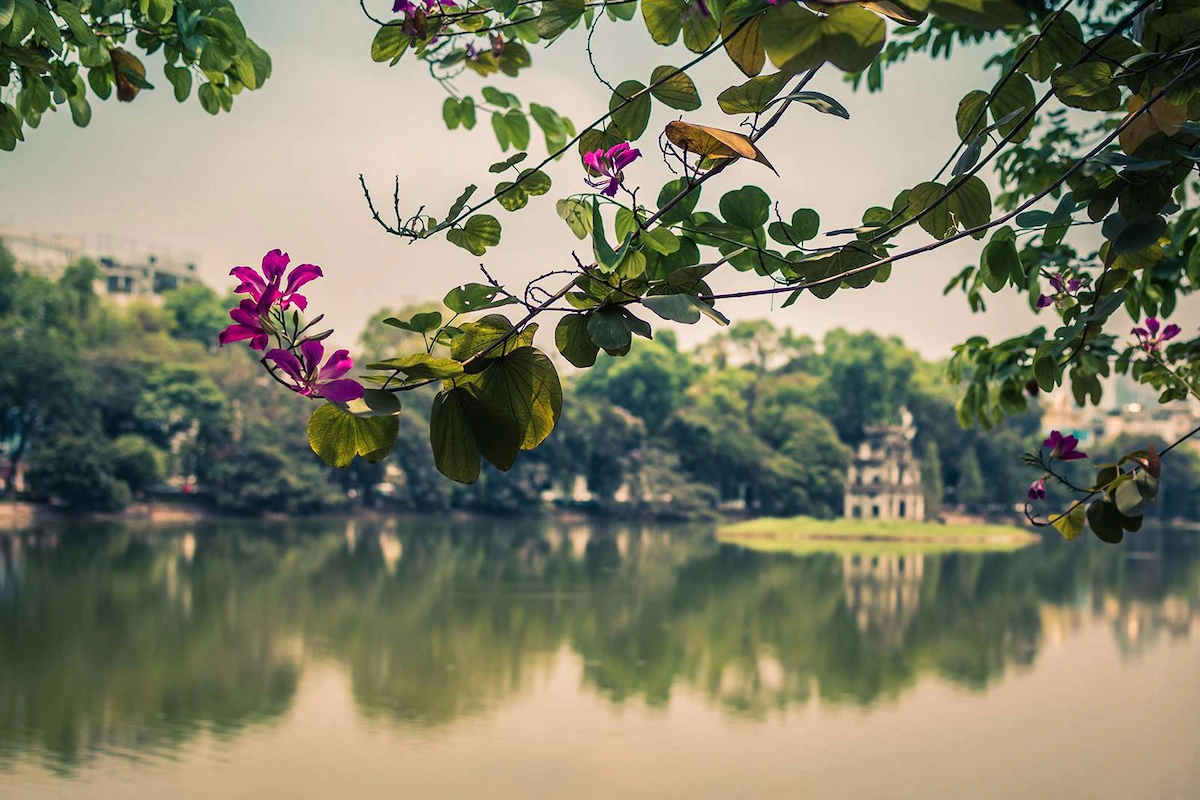
Planning your first trip to Vietnam? This Hanoi travel guide covers everything you need to explore the country’s vibrant capital, from historic landmarks and atmospheric streets to authentic Vietnamese food, charming cafés, and the best neighborhoods to stay in. Whether you have one day or three days in Hanoi, you will find practical advice to help you make the most of your visit.
Hanoi is a city of contrasts. Ancient temples stand beside French colonial buildings, traditional markets share narrow streets with modern boutiques, and quiet lakes offer a welcome escape from the constant movement of motorbikes. Its character becomes even more apparent through everyday experiences: watching locals exercise beside Hoan Kiem Lake, ordering a bowl of pho at a family-run restaurant, or discovering a small coffee shop hidden behind an old townhouse.
For many international visitors, Hanoi is also the starting point for exploring Northern Vietnam. The capital connects naturally with the limestone landscapes of Ninh Binh, the spectacular islands of Ha Long Bay, and the mountain scenery of Sapa. Spending time in Hanoi before heading into the countryside provides valuable context for understanding the region’s history, culture, and daily life.
Hanoi Travel Guide: Quick Facts
Best for: History, Vietnamese cuisine, local culture, architecture, shopping, and city exploration.
Recommended stay: Two to three days for first-time visitors.
Best areas to explore: Hanoi Old Quarter, Hoan Kiem Lake, the French Quarter, Ba Dinh, and West Lake.
Must-try food: Pho, bun cha, banh mi, cha ca, bun thang, and Vietnamese egg coffee.
Getting around: Walking, taxis, ride-hailing services, and guided city tours.
Ideal approach: Combine the main attractions with time for street food, café stops, and unplanned walks through local neighborhoods.
1. Best Time to Visit Hanoi
Hanoi has a humid subtropical climate, with warm or hot summers, a cooler winter, and noticeable seasonal changes. The most suitable time to visit depends on your tolerance for heat, your preferred activities, and whether Hanoi is part of a longer Northern Vietnam itinerary.
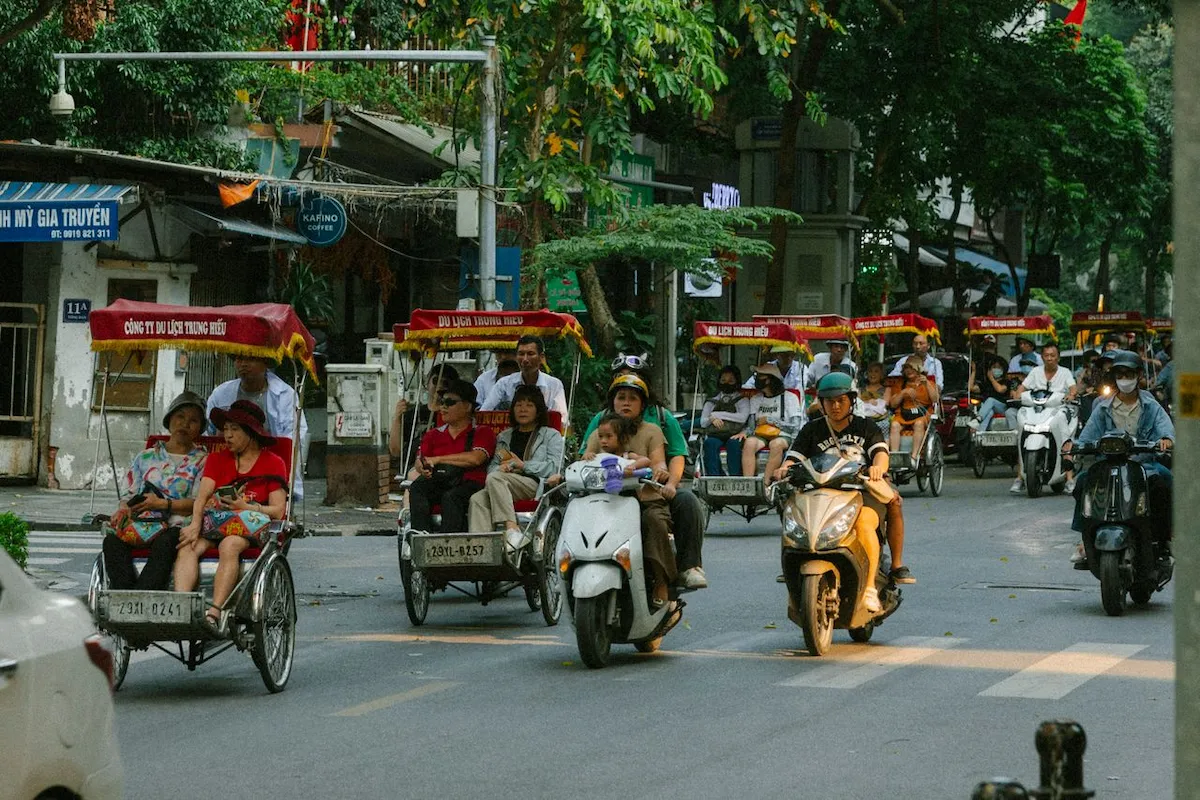
Autumn: September to November
Autumn is often one of the most appealing periods for exploring Hanoi on foot. Temperatures generally become more comfortable than during the height of summer, and the city’s tree-lined streets, lakes, and outdoor cafés are particularly enjoyable in pleasant weather.
This season works well for walking through the Old Quarter, visiting historic landmarks, photographing everyday street life, and enjoying outdoor dining. If you intend to continue to Ninh Binh or Ha Long Bay, autumn can also be an attractive time to combine the capital with other destinations in Northern Vietnam. Weather conditions can still vary, so check the forecast before travelling.
Winter: December to February
Hanoi’s winter can feel surprisingly cool to visitors expecting tropical heat. Temperatures vary, and some days are damp, cloudy, or chilly, especially when a cold air mass moves across Northern Vietnam. A light jacket or warmer layer is useful for early mornings and evenings.
Cooler weather can make city walks and museum visits more comfortable, while traditional Vietnamese hot dishes become especially appealing. Pho, noodle soups, and freshly prepared street food are a natural part of the winter experience. Remember that the Lunar New Year, known as Tet, can affect opening hours, transport availability, and the daily rhythm of businesses.
Spring: March to April
Spring often brings mild to warm temperatures and a mix of sunshine, cloud, and humidity. It is a good period for combining cultural sightseeing with leisurely café stops and exploring the neighborhoods around Hoan Kiem Lake and West Lake.
Some days may be misty or humid, so do not expect clear blue skies every day. If your itinerary includes mountain destinations, remember that weather conditions in Sapa and other highland areas may be considerably different from those in Hanoi.
Summer: May to August
Summer is generally hot, humid, and rainy, with the possibility of heavy showers. Sightseeing is still possible, but the timing of your activities matters. Consider visiting outdoor attractions early in the morning, taking a break during the hottest hours, and exploring museums or cafés in the afternoon.
Pack breathable clothing, comfortable walking shoes, sun protection, and a compact rain jacket or umbrella. If you are planning onward travel, leave some flexibility for weather-related delays, particularly when travelling to coastal or mountainous areas.
2. How Many Days Do You Need in Hanoi?
For most first-time visitors, two to three days is a sensible amount of time to explore Hanoi. One day can introduce you to the historic center and local food scene, while two days allow a more balanced mix of sightseeing, museums, and neighborhood exploration. Three days provide additional flexibility to visit West Lake, enjoy a cooking class, or experience the city at a slower pace.
| Length of Stay | Best For | Suggested Focus |
|---|---|---|
| 1 day | Travellers with limited time | Old Quarter, Hoan Kiem Lake, traditional food, and an evening performance. |
| 2 days | First-time visitors | Historic center, cultural landmarks, a museum, local cuisine, and café culture. |
| 3 days | Travellers wanting a deeper experience | All major highlights plus West Lake, additional museums, shopping, or a cooking class. |
| 4+ days | Slow travellers and culture enthusiasts | Explore less-visited neighborhoods, attend cultural activities, or take a day trip outside the city. |
If you are travelling through Northern Vietnam, avoid treating Hanoi as nothing more than a transit stop. The capital is where you can understand the history and everyday culture behind the region’s landscapes. A realistic itinerary should also account for airport transfers, hotel check-in, traffic, and the time required to travel between attractions.
For a broader regional itinerary, see our Northern Vietnam Travel Guide, which explains how to combine Hanoi with Ha Long Bay, Ninh Binh, Sapa, and other destinations.
3. Best Things to Do in Hanoi: Top Attractions and Local Experiences
The best Hanoi attractions are not limited to famous monuments. The city rewards visitors who combine its major landmarks with ordinary experiences such as browsing a market, taking a break at a sidewalk café, or walking around a lake in the early morning.
3.1. Explore Hanoi Old Quarter
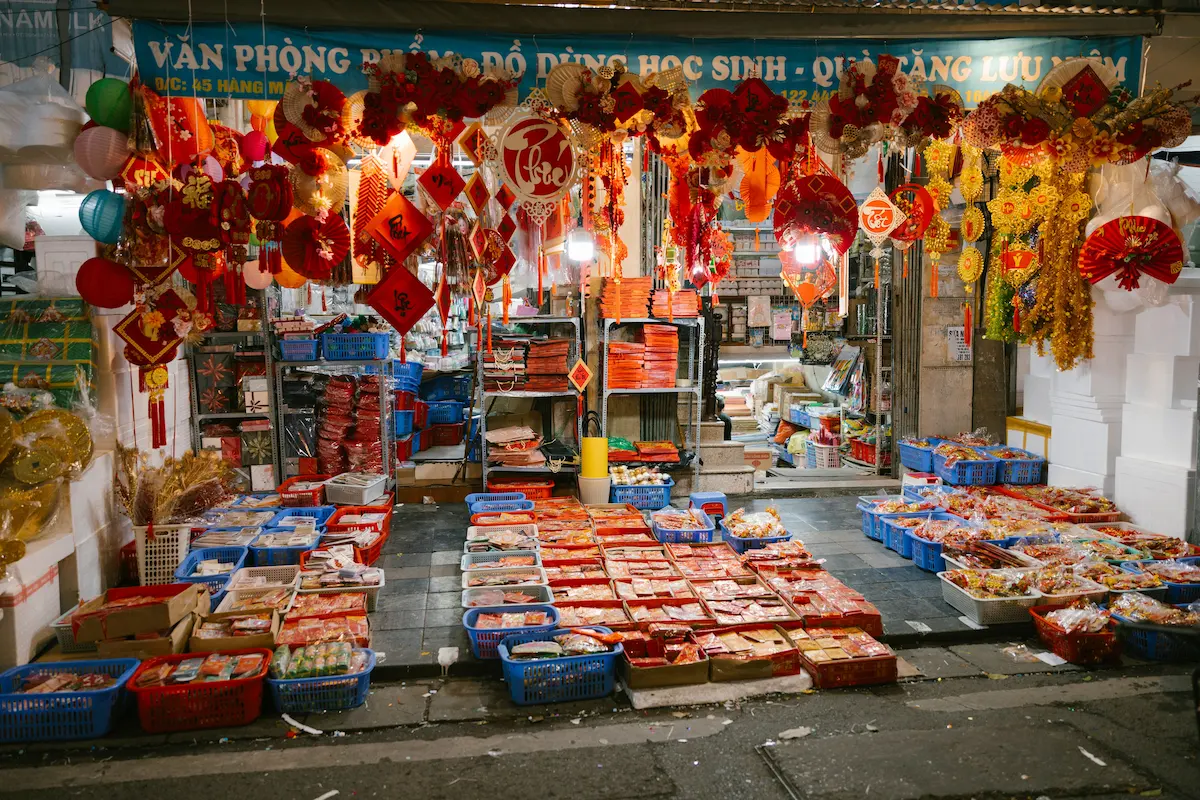
The Hanoi Old Quarter is one of the most atmospheric parts of the city and a natural starting point for first-time visitors. Its narrow streets, traditional shopfronts, historic houses, temples, and street kitchens reveal how Hanoi has developed as a center of commerce and urban life.
Historically, many streets were associated with particular trades or groups of craftsmen. Although the area has changed considerably, traces of these commercial traditions remain. Depending on the street, you may encounter shops selling silk, jewellery, decorations, household goods, or traditional products.
The best way to explore is usually on foot. Begin in the morning, when walking may be more comfortable, and allow time to pause at interesting courtyards, food stalls, and cafés. Keep in mind that streets are shared by pedestrians, motorbikes, delivery vehicles, and shop owners. Stay alert when crossing and avoid stopping in the middle of busy traffic to take photographs.
Travellers who enjoy historical details may prefer a guided walk. A local guide can explain the stories behind the streets, traditional houses, temples, and specialist shops that are easy to overlook when exploring independently.
To discover the district in greater depth, consider our Hanoi Old Quarter Walking Tour: Heritage, Culture & Local Life.
3.2. Walk Around Hoan Kiem Lake
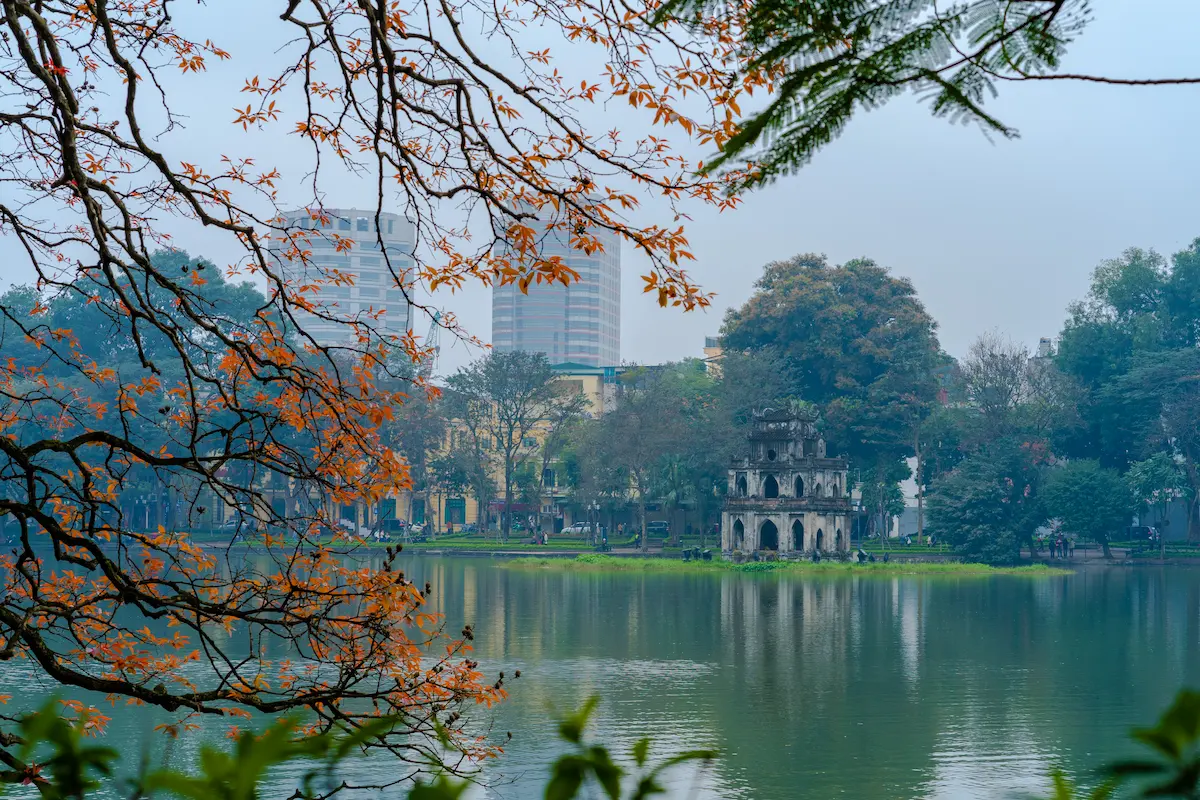
Hoan Kiem Lake, located near the historic center, offers a calmer view of Hanoi. Its tree-lined paths and waterfront setting make it a popular place for residents to exercise, meet friends, and relax away from the traffic of the surrounding streets.
Visit early in the morning to observe local routines, including walking, tai chi, jogging, and group exercise. In the evening, the lake takes on a different atmosphere as people gather for conversation, photographs, and leisurely walks.
Look for Turtle Tower, which stands on a small island in the lake, and the red Huc Bridge leading to Ngoc Son Temple. The area is especially lively when pedestrian restrictions are in place around the lake on designated periods, but schedules and access arrangements should be checked locally.
Even if you are not interested in monuments, allow time simply to sit on a bench and observe the city. Hoan Kiem Lake is a good reminder that public spaces play an important role in everyday life in Hanoi.
3.3. Visit Ngoc Son Temple
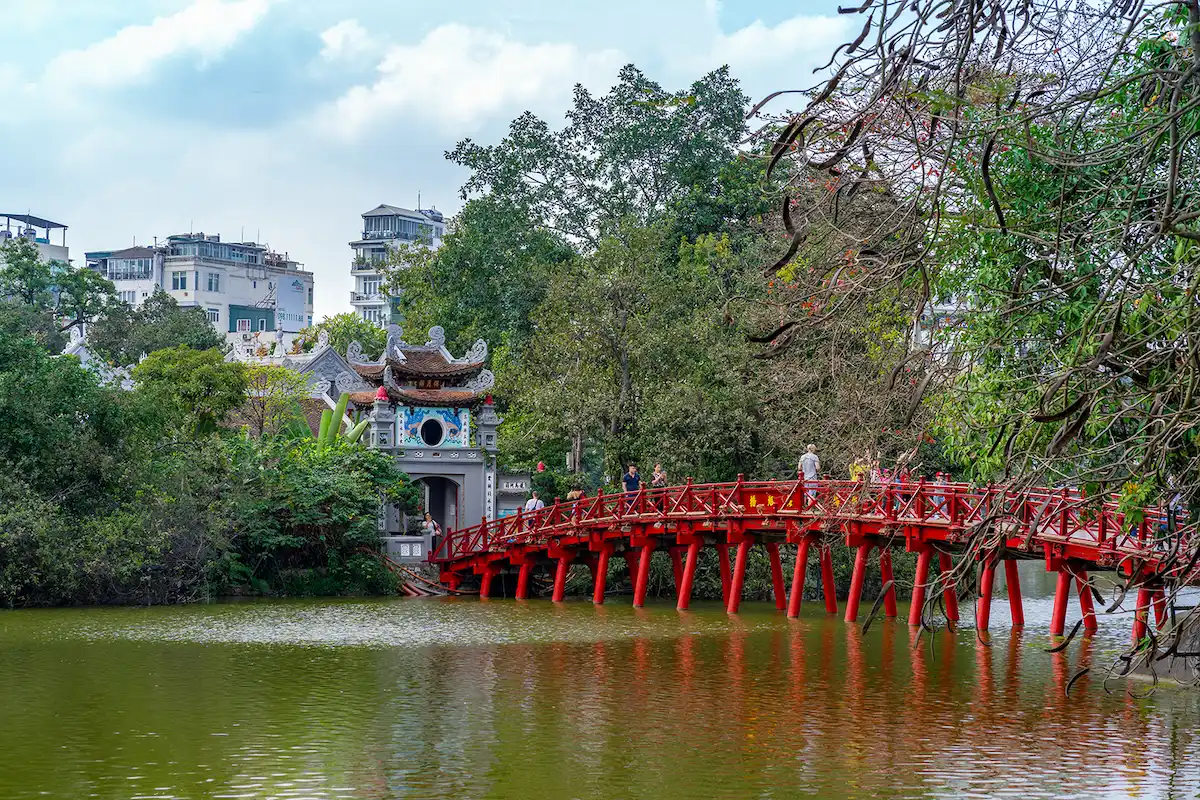
On a small island in Hoan Kiem Lake, Ngoc Son Temple combines religious traditions, local history, and an attractive architectural setting. The red Huc Bridge is one of its most recognizable features and provides a scenic viewpoint over the water.
A visit offers a useful introduction to the way spiritual beliefs and historical figures are remembered in Vietnamese culture. Take time to observe the temple’s decorative details and courtyard rather than treating the site only as a photo stop.
As this is a place of worship, dress respectfully and follow any instructions displayed at the entrance. Entry arrangements, ticket prices, and opening hours may change, so check the current details before visiting.
3.4. Discover the Temple of Literature
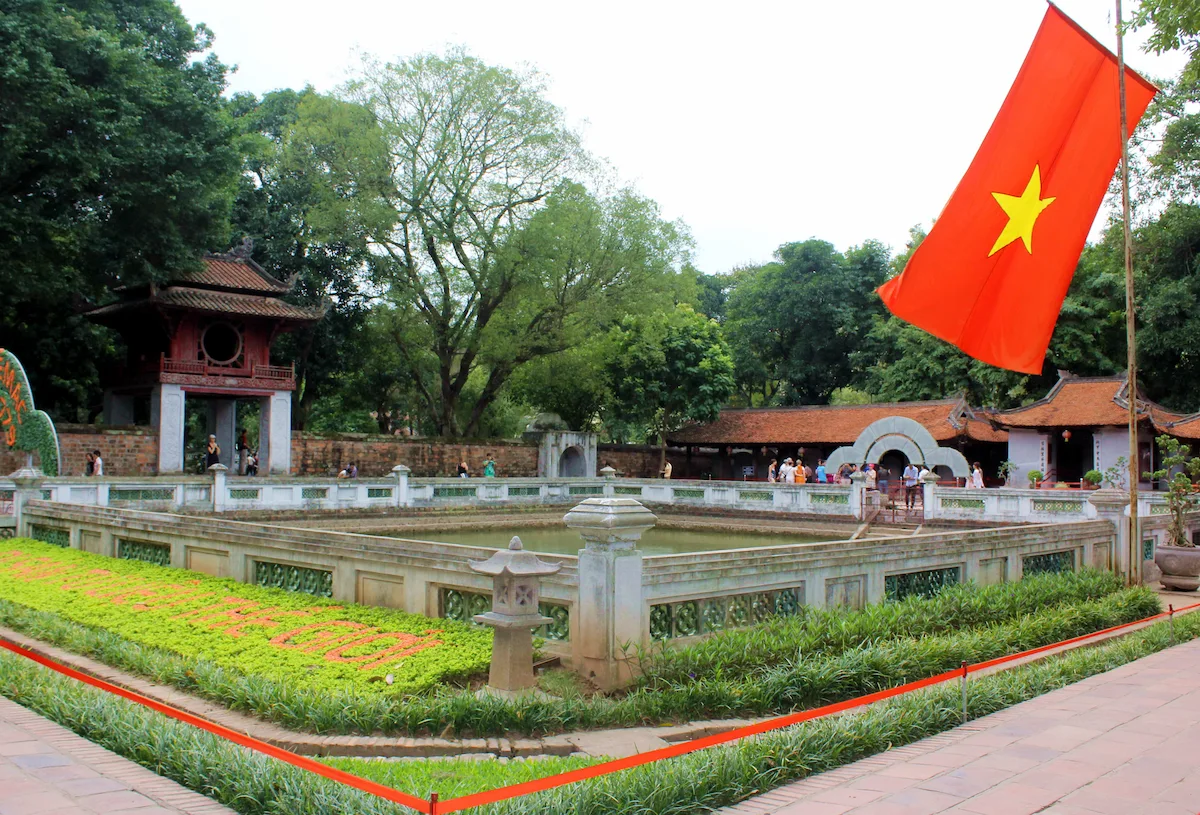
The Temple of Literature is one of Hanoi’s most important historic and cultural sites. Associated with Confucian learning and Vietnam’s scholarly traditions, the complex is known for its courtyards, traditional architecture, gardens, and stone steles commemorating successful scholars.
The site offers a different perspective on Vietnamese history from the trading streets of the Old Quarter. Its layout encourages visitors to move through a series of courtyards, each revealing a new architectural feature or historical detail.
Take time to read the interpretive signs if available, or consider a guided visit if you are interested in education, philosophy, and traditional examinations in Vietnam. Visiting earlier in the day can also make walking through the outdoor spaces more comfortable.
3.5. Explore the Imperial Citadel of Thang Long
The Imperial Citadel of Thang Long is closely connected with the history of Hanoi as a political and administrative center. Its remains reveal different periods of Vietnamese history, from royal institutions and defensive structures to archaeological discoveries.
Compared with the lively atmosphere of the Old Quarter, the citadel offers a more spacious environment in which to explore heritage buildings, historic gates, and archaeological areas. It is particularly worthwhile for visitors who want to understand how the capital developed over the centuries.
Allow enough time to read the displays and explore at a relaxed pace. If you are visiting several historic sites in one day, group the citadel with nearby attractions rather than crossing the city repeatedly.
3.6. Visit the Ho Chi Minh Mausoleum Complex
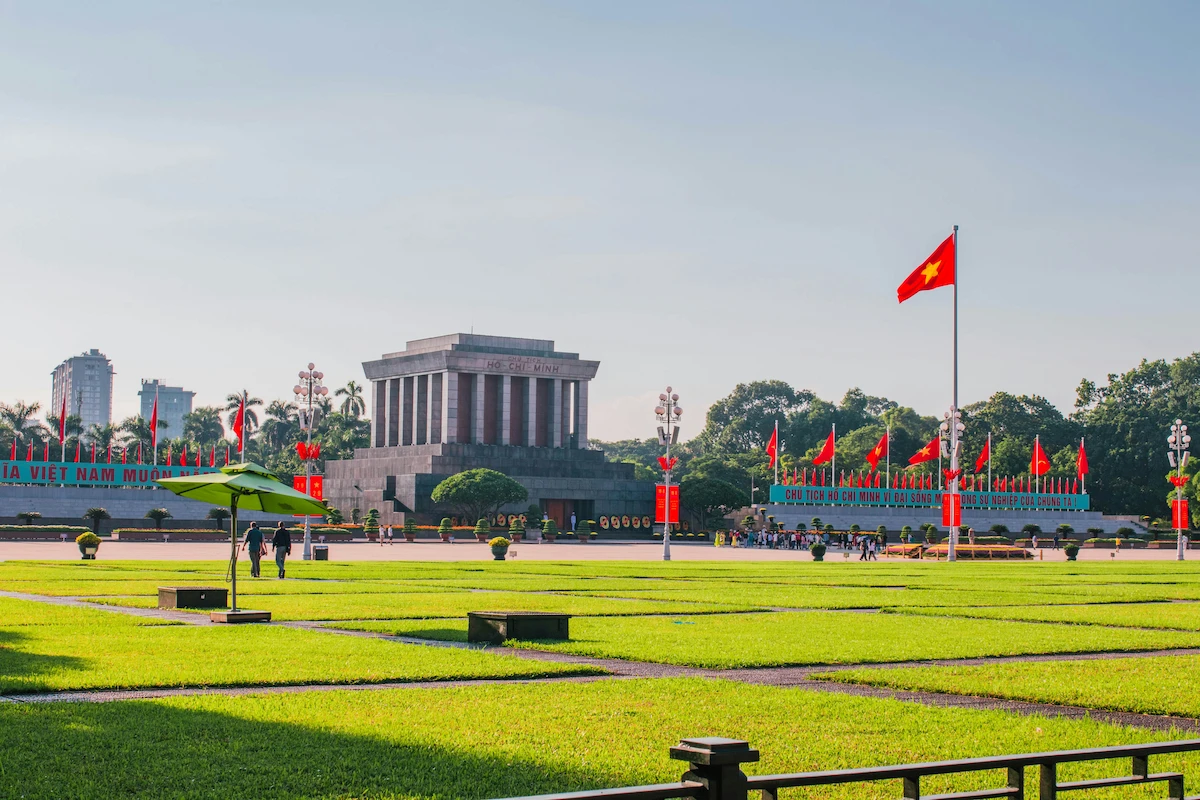
Ba Dinh Square and the surrounding Ho Chi Minh heritage sites are significant to modern Vietnamese history. The area is associated with major political events and the life of Ho Chi Minh, one of the country’s most influential historical figures.
Visitors should distinguish between the mausoleum itself and other places within the wider complex, which may have separate access conditions. Entry, operating schedules, and visitor routes can vary, and the mausoleum may close on particular days or during official maintenance periods.
Check the current information before planning your visit. Dress modestly, follow security instructions, and allow extra time for entrance procedures. Photography may be restricted in specific areas.
3.7. See the One Pillar Pagoda
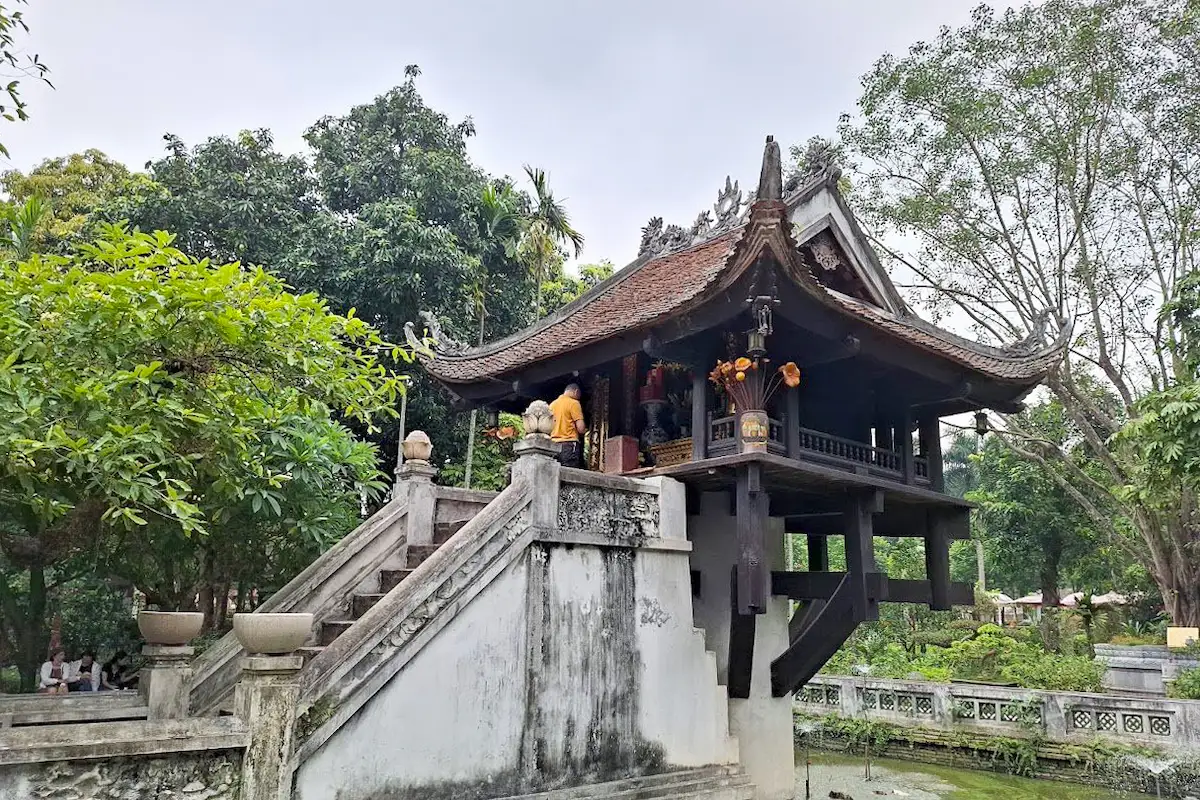
The One Pillar Pagoda is a distinctive historic Buddhist structure in Hanoi, known for its compact design and unusual placement above a small pool. Its architecture makes it one of the city’s most recognizable religious landmarks.
The visit itself is relatively short, which makes the pagoda easy to combine with other sights around Ba Dinh. It is particularly worthwhile for travellers interested in traditional architecture, Buddhism, and the symbolism found in Vietnamese religious buildings.
Treat the site as a place of worship rather than simply a photographic location. Follow local guidance, avoid disruptive behavior, and respect worshippers who may be visiting to pray or make offerings.
3.8. Learn About History at Hoa Lo Prison
Hoa Lo Prison is a historical museum that presents difficult chapters of Vietnam’s past, including the French colonial period and the later history of American prisoners of war. Its exhibits explore imprisonment, political conflict, and the experiences of people held at the site.
The displays can be emotionally intense, but they help visitors understand the historical context behind some of the country’s most important political events. Read the descriptions carefully and allow time to reflect instead of rushing through the exhibition.
This attraction is particularly suitable for visitors who want to explore history beyond monuments and official landmarks. Check current admission information and exhibition arrangements before your visit.
3.9. Discover Vietnamese Culture at a Museum
Hanoi has several museums that provide different perspectives on the country’s people, artistic traditions, and history. The Vietnam Museum of Ethnology is especially useful for travellers interested in the diverse ethnic communities of Vietnam, their traditional houses, clothing, customs, and material culture.
The Vietnam Women’s Museum explores women’s roles and experiences in Vietnamese society, including family life, traditions, work, and wartime history. The Vietnam National Museum of Fine Arts, meanwhile, introduces visitors to artistic traditions ranging from historical works to more modern forms of expression.
Choose a museum based on your interests rather than trying to visit them all. Museum visits are also useful during hot or rainy weather, providing a comfortable break from outdoor sightseeing. Verify current opening hours, ticket arrangements, and any temporary exhibition changes before travelling.
3.10. Admire Hanoi Opera House and the French Quarter
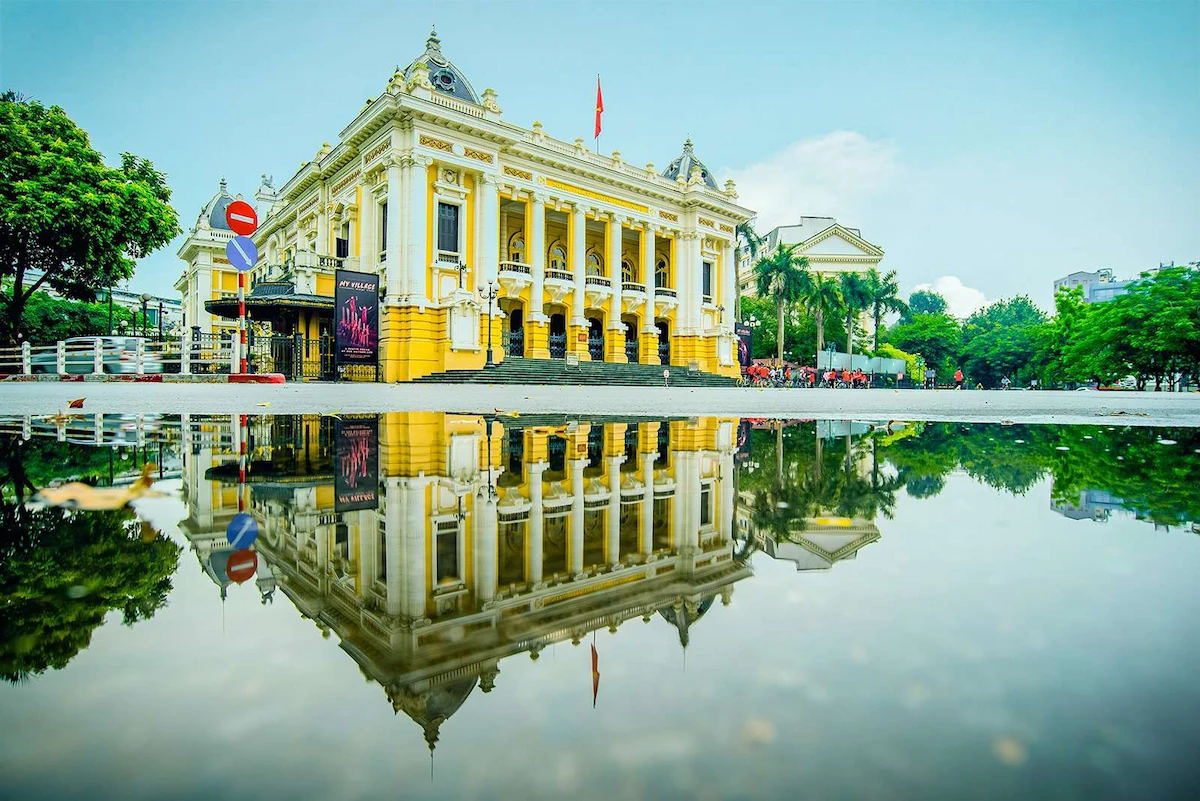
South and southeast of Hoan Kiem Lake, the French Quarter offers a different architectural atmosphere from the Old Quarter. Wide streets, elegant colonial-era buildings, hotels, cafés, and formal public spaces reflect another layer of Hanoi’s urban history.
The Hanoi Opera House is one of the area’s best-known landmarks. Its imposing facade and European-influenced design make it a popular stop for architecture enthusiasts and photographers. The surrounding streets are also pleasant for a walk, particularly if you want to explore beyond the narrow lanes of the historic commercial district.
Depending on your plans, you can combine the French Quarter with a visit to the lake, a café break, or a meal at a restaurant in the area. If you hope to attend a performance, consult the official programme and booking information in advance.
3.11. Enjoy the Scenery Around West Lake
West Lake, also known as Tay Ho, is the largest lake in Hanoi and a useful escape from the busy historic center. Its surroundings include residential streets, lakeside cafés, restaurants, temples, and accommodation popular with long-stay visitors.
Visit for a relaxed walk, a drink overlooking the water, or a leisurely meal. The area can be particularly appealing in the late afternoon, when you can spend time by the lake before choosing a restaurant for the evening.
West Lake is larger than Hoan Kiem Lake, so decide in advance which section you want to explore. Combining several lakeside locations on foot can take longer than expected because of the distance between them and the conditions of the roads.
3.12. Visit Tran Quoc Pagoda
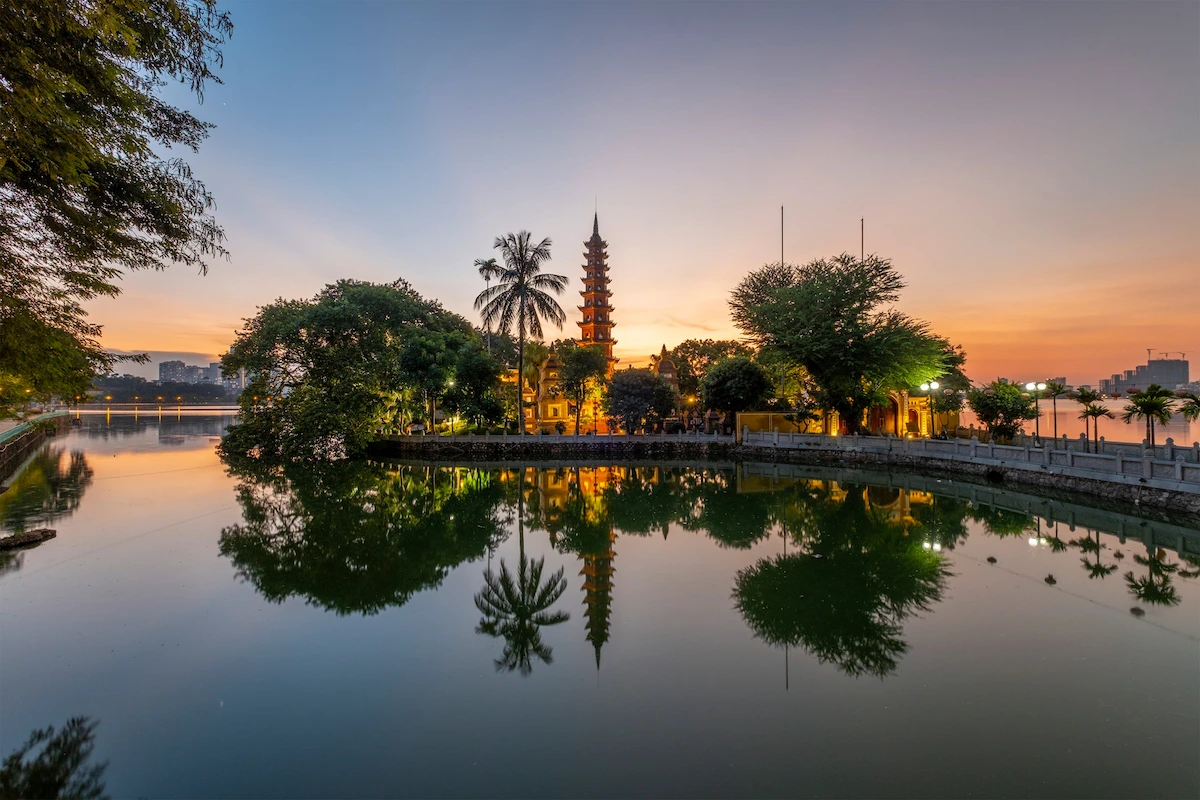
Tran Quoc Pagoda stands on a small peninsula beside West Lake and is one of Hanoi’s best-known Buddhist sites. Its layered tower, traditional temple buildings, and waterside setting make it attractive to both cultural visitors and photographers.
The pagoda is most rewarding when visited with enough time to appreciate its religious significance and architectural details. As with other active places of worship, wear suitable clothing and be considerate of people who are there to pray.
You can combine the visit with nearby lakeside cafés or a walk around part of West Lake. Check access arrangements before travelling, particularly if your visit coincides with a public holiday or religious event.
3.13. Browse Dong Xuan Market and Local Shopping Streets
Markets are an effective way to observe the commercial life of Hanoi. Dong Xuan Market is one of the city’s best-known traditional markets, with stalls selling a variety of goods and an atmosphere that reflects everyday trading rather than a polished shopping-center experience.
Elsewhere in the Old Quarter, individual streets remain associated with particular products and specialist businesses. Hitting these streets on foot is often more rewarding than heading directly to one large shopping destination, especially if you want to see how different types of shops fit into the neighborhood.
When shopping, compare quality and prices, ask about payment methods, and confirm the final price before purchasing. Bargaining may be possible in some settings, but it should remain polite. For handmade items, ask about materials and production methods if authenticity is important to you.
3.14. Watch a Traditional Water Puppet Show
Water puppetry is a distinctive Vietnamese performance tradition that combines wooden puppets, water, music, and storytelling. The shows often draw on village life, folk tales, and cultural themes, providing a fun introduction to local performing arts.
A performance can be an excellent evening activity after a full day of walking. It is also suitable for families and travellers who want to experience something cultural without needing extensive language knowledge.
Performances can attract many visitors, so consider booking ahead during busy travel periods. Check the current schedule, duration, seating arrangements, and ticket conditions with the theatre before making plans.
3.15. Experience Hanoi Train Street Carefully
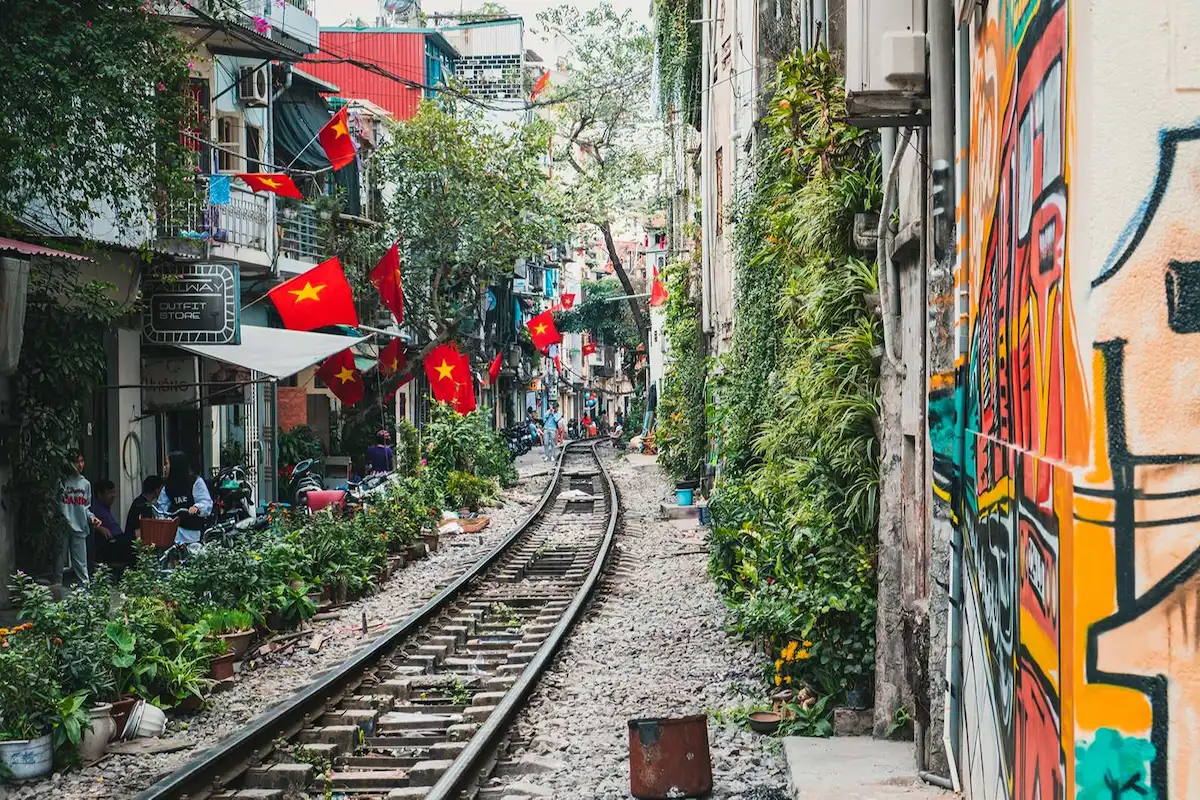
Hanoi Train Street is known for its railway line running through a narrow residential area where homes and cafés stand close to the tracks. The setting offers a striking glimpse of the relationship between urban infrastructure and everyday life, but it also presents genuine safety concerns.
Access arrangements have changed over time as authorities have worked to manage the risks associated with visitors gathering near operating railway tracks. Do not assume every entrance is open or that all cafés operate under the same conditions. Access may be restricted, and train schedules can change.
Only enter areas where visitor access is clearly permitted and follow instructions from authorized staff. Never stand on the rails for photographs, cross barriers, or remain in the railway clearance area to wait for a train. Do not rely on unofficial online timetables as a guarantee of train movements.
If access is unavailable or the area is crowded, choose another activity instead. Hanoi offers many alternative ways to enjoy local life, from the Old Quarter’s side streets to its traditional coffee shops and food markets.
3.16. Discover Hanoi’s Coffee Culture
Coffee is deeply embedded in the rhythm of Hanoi. Traditional cafés, modern specialty coffee shops, and small neighborhood businesses offer different ways to pause and observe city life.
Try Vietnamese egg coffee, a rich drink made with coffee and a whipped egg-based topping, or sample a traditional iced coffee prepared with condensed milk. Specialty cafés offer another side of the scene, with carefully prepared brews and contemporary interiors.
Rather than visiting only famous photo-friendly cafés, spend time in a neighborhood coffee shop and watch the pace of local life. A coffee break can also provide a welcome pause between attractions, especially during the hottest part of the day.
3.17. Take a Local Walking or Food Tour
Independent exploration is rewarding, but a guided experience can reveal details that are easy to miss. A knowledgeable local guide can explain the history of the Old Quarter’s streets, introduce traditional dishes, help you navigate busy roads, and put everyday customs into context.
A walking tour is particularly useful at the beginning of your stay because it gives you a clearer sense of the city center. A food-focused experience may be a better choice if your main interest is Vietnamese cuisine and you want help understanding unfamiliar ingredients or ordering local specialties.
Choose an experience with a clearly explained route, duration, meeting point, inclusions, and group size. If you prefer a guided introduction to the historic district, explore the Hanoi Old Quarter Walking Tour.
4. What to Eat in Hanoi: Local Dishes You Should Try
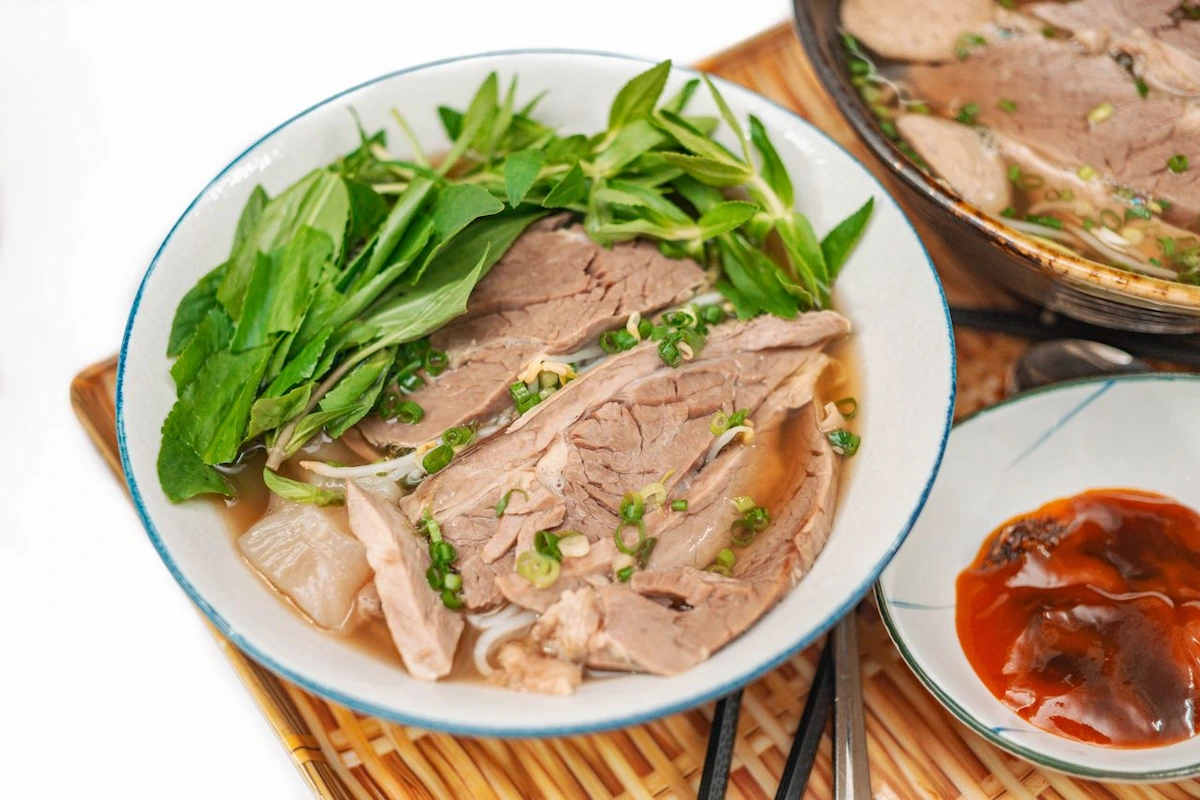
Food is one of the strongest reasons to spend time in Hanoi. The city’s cuisine brings together fresh herbs, fragrant broths, grilled meats, rice noodles, seasonal ingredients, and carefully balanced flavours. Many memorable meals come from small restaurants and street kitchens rather than formal dining rooms.
If you are unfamiliar with Vietnamese food, start with a few signature dishes and gradually explore more regional specialties. Below are some of the best-known foods to try during your stay.
Pho — Vietnamese Noodle Soup
Pho combines rice noodles with a fragrant broth, herbs, and either beef or chicken. In Hanoi, it is a popular breakfast and early-day meal, although many places serve it at other times. Each restaurant has its own style, so do not expect the flavour to be identical everywhere.
Bun Cha — Grilled Pork with Noodles
Bun cha features grilled pork served with rice noodles, fresh herbs, and a dipping sauce. The smoky aroma of pork cooked over charcoal is part of the appeal. The dish is usually assembled at the table, allowing you to combine the noodles, meat, herbs, and sauce according to your taste.
Banh Mi — Vietnamese Sandwich
Banh mi brings together a crisp baguette and a range of savoury fillings, which may include meat, pate, pickled vegetables, herbs, and sauces. It is convenient for breakfast, a quick lunch, or a snack while exploring the city. Ask about ingredients if you have food allergies or dietary restrictions.
Cha Ca — Turmeric Fish with Dill
Cha ca is a well-known Hanoi specialty featuring fish cooked with turmeric and herbs, particularly dill, and commonly served with noodles and other accompaniments. It is worth seeking out when you want to try something more distinctive than the country’s familiar noodle soups.
Bun Thang — Delicate Noodle Soup
Bun thang is associated with Hanoi’s traditional cuisine. The preparation typically combines rice noodles with thinly sliced ingredients and a carefully prepared broth. It offers a more delicate flavour profile than some richer or more strongly seasoned dishes.
Banh Cuon — Steamed Rice Rolls
Banh cuon consists of thin steamed rice sheets, often filled with minced pork and mushrooms and served with a dipping sauce. Its soft texture and relatively light taste make it an appealing breakfast choice for travellers who want to explore beyond pho and banh mi.
Xoi — Vietnamese Sticky Rice
Xoi is a versatile dish made from sticky rice and served with a range of sweet or savoury toppings. Depending on the vendor, it can be a substantial breakfast or an inexpensive snack. Look for it at morning food stalls and small local shops.
Vietnamese Egg Coffee
Egg coffee is one of Hanoi’s signature café experiences. Coffee is topped with a creamy mixture made from egg and sweet ingredients, producing a rich texture that some visitors find closer to a dessert than a conventional coffee. Ask whether it is served hot or cold, then enjoy it slowly rather than treating it as a quick takeaway drink.
How to Enjoy Street Food in Hanoi
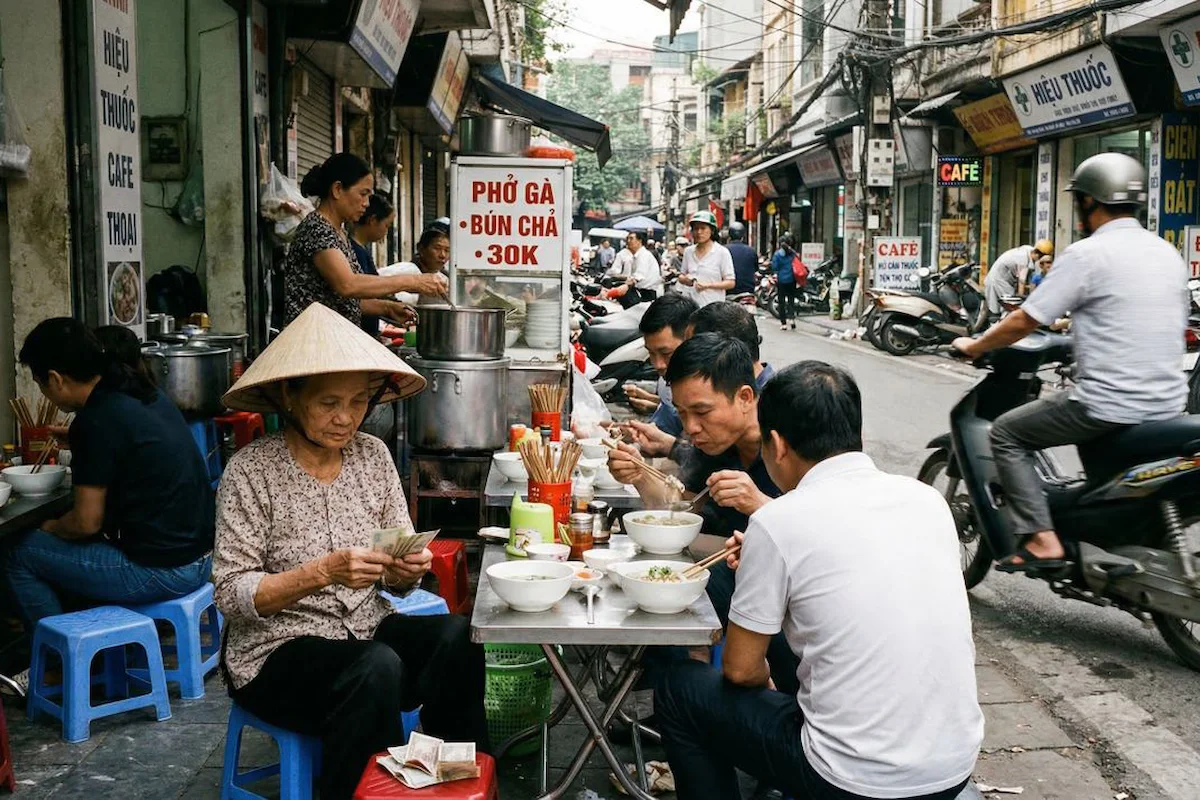
You do not need to visit every famous food address to eat well in Hanoi. Look for busy establishments with a steady flow of customers, food that is prepared and served hot, and ingredients that are handled appropriately. Cleanliness can vary between individual vendors, so use your judgment rather than assuming that every street stall is equally suitable.
Small plastic stools and tables are a normal part of the street-food experience. Seating may be simple, menus may be limited, and English descriptions may not be available for every dish. Pointing to a dish being served at a nearby table can sometimes help, but always confirm the price and portion before ordering if the information is unclear.
If you have a food allergy, explain it clearly before ordering and do not assume a dish is free from an ingredient simply because it is not visible. Vegetarians and vegans should ask about fish sauce, meat-based broths, eggs, and other animal products that may be included in otherwise vegetable-focused dishes.
Travellers with sensitive stomachs may prefer freshly cooked food, sealed bottled drinks when appropriate, and restaurants with good food-handling practices. Carry any medication you normally need and seek medical advice if you develop severe or persistent symptoms.
5. Hanoi Itineraries: How to Spend One, Two, or Three Days
Planning a realistic route helps you avoid spending too much time travelling between attractions. Hanoi’s traffic, walking conditions, and seasonal weather can affect how quickly you move around, so treat these itineraries as flexible frameworks rather than fixed schedules.
Option A: One Day in Hanoi
Morning — Historic Hanoi. Begin around Hoan Kiem Lake, visit Ngoc Son Temple if it fits your interests, and walk through the Old Quarter. Stop for a traditional breakfast and allow time to explore the narrow streets without rushing.
Lunch — Try a local specialty. Choose pho, bun cha, or another Vietnamese dish at a restaurant that suits your preferences.
Afternoon — Choose one cultural attraction. Visit the Temple of Literature, explore a suitable museum, or walk through the French Quarter. Avoid trying to cover every major site in a single afternoon.
Evening — Food and local atmosphere. Return to the historic center for dinner, try Vietnamese egg coffee, and consider a traditional water puppet performance if the schedule allows.
Option B: Two Days in Hanoi
Day 1: Old Quarter and urban life. Explore Hoan Kiem Lake, Ngoc Son Temple, historic streets, local markets, and traditional food spots. Take time for a café break and spend the evening around the Old Quarter.
Day 2: Heritage and culture. Begin with the Temple of Literature or the Imperial Citadel of Thang Long. Continue to Ba Dinh for selected historical landmarks, subject to their opening arrangements. In the afternoon, visit a museum or explore the French Quarter.
This itinerary offers a balance between old Hanoi, modern city life, and major cultural attractions without requiring you to spend the entire day moving between distant locations.
Option C: Three Days in Hanoi
Day 1: The Old Quarter. Discover the historic center, walk around Hoan Kiem Lake, sample street food, and enjoy a traditional performance or an evening café visit.
Day 2: History and architecture. Explore the Temple of Literature, the Imperial Citadel, or a museum. Visit selected sites around Ba Dinh and the French Quarter according to your interests and the available opening times.
Day 3: West Lake and local experiences. Visit Tran Quoc Pagoda, enjoy the atmosphere around West Lake, explore a different neighborhood, or join a cooking class or guided food experience. Leave part of the day unplanned so you can return to places you particularly enjoyed.
Three days are ideal for visitors who want to understand Hanoi beyond its best-known landmarks. You can enjoy the city at a slower pace while still covering a broad range of cultural and culinary experiences.
How to Adapt Your Hanoi Itinerary
If you love history, prioritize the Temple of Literature, the Imperial Citadel, Hoa Lo Prison, and relevant museums. Food enthusiasts should spend more time in the Old Quarter, sampling different dishes and exploring the local coffee scene. Families may prefer a mixture of short sightseeing visits, open public spaces, and activities such as water puppetry.
Travellers with limited mobility should consider walking distances, uneven pavement, steps, heat, and the availability of accessible entrances when selecting attractions. If you are visiting Hanoi with children or older family members, schedule regular breaks and avoid packing too many activities into a single day.
6. Where to Stay in Hanoi: Best Neighborhoods for Visitors
Choosing the right neighborhood can make a significant difference to your Hanoi experience. The most suitable area depends on whether you want to be close to historic attractions, prefer a quieter residential setting, need convenient transport, or are looking for a more upscale hotel environment.
Hanoi Old Quarter: Best for First-Time Visitors
The Old Quarter is a practical choice for visitors who want easy access to street food, shopping, historic streets, Hoan Kiem Lake, and many of Hanoi’s familiar attractions. You can explore much of the area on foot and return to your accommodation between activities.
The trade-off is that some streets can be noisy and busy, particularly in the evening. If you are sensitive to sound, ask about room insulation, room location, and whether the property faces a lively street. Check the exact hotel address too, as being described as close to the Old Quarter does not necessarily mean that every major attraction is within a short walk.
The French Quarter: Best for Architecture and a More Refined Setting
The French Quarter appeals to visitors who enjoy wider streets, elegant architecture, restaurants, established hotels, and a somewhat different urban atmosphere from the Old Quarter. It is also convenient for exploring the area around Hanoi Opera House and the southern side of Hoan Kiem Lake.
Depending on your exact location, some Old Quarter food streets may require a longer walk or a short taxi ride. Compare hotel locations on a map before booking rather than selecting accommodation based on the neighborhood name alone.
Ba Dinh: Best for History and a Quieter Base
Ba Dinh is worth considering if you are particularly interested in historical landmarks and want accommodation away from the busiest parts of the Old Quarter. It offers access to important sites associated with modern Vietnamese history and several cultural attractions.
The area is spread out, so a hotel may be close to one landmark but less convenient for another. Before booking, consider your planned sightseeing route, nearby restaurants, and how you will travel to the Old Quarter in the evening.
West Lake and Tay Ho: Best for Longer Stays
West Lake and the Tay Ho area are popular with longer-stay visitors and travellers who appreciate lakeside scenery, cafés, restaurants, and a more residential atmosphere. Accommodation ranges from serviced apartments to boutique properties and hotels.
This area can be appealing if you plan to spend several days in Hanoi or prefer more space. However, distances between attractions may be greater than in the historic center, so allow for transport time when planning your day.
| Neighborhood | Best For | What to Consider |
|---|---|---|
| Old Quarter | First-time visitors, street food, walking | Noise, busy streets, and room location. |
| French Quarter | Architecture, established hotels, restaurants | Distance from your preferred Old Quarter attractions. |
| Ba Dinh | History and a less hectic base | Transport requirements and the location of nearby facilities. |
| West Lake | Longer stays, cafés, residential atmosphere | Longer travel times to some central attractions. |
When comparing hotels, look beyond the nightly rate. Review recent guest feedback, room size, air conditioning, lift access, breakfast arrangements, luggage storage, and cancellation conditions. If you are arriving late or leaving early for a tour, confirm the property’s check-in procedures and whether transport can reach its entrance.
7. How to Get Around Hanoi
Hanoi is a city where choosing the right way to move can save both time and energy. The best option depends on the distance, traffic, weather, luggage, and your confidence navigating busy urban streets.
Walking
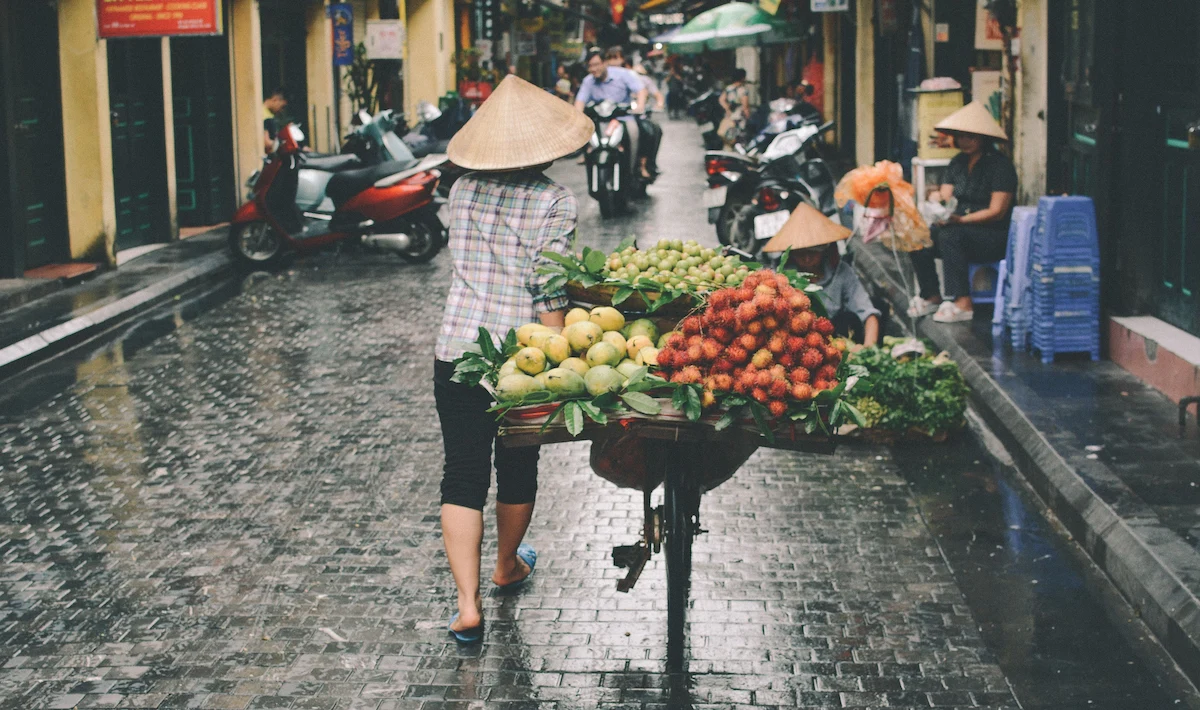
Walking is often the best way to explore the Old Quarter, Hoan Kiem Lake, and nearby attractions. It allows you to notice architectural details, discover small restaurants, and observe everyday activity that you would miss from a vehicle.
However, sidewalks are not always clear or continuous. Motorbikes, parked vehicles, street vendors, and restaurant seating can narrow the walking space. Wear comfortable shoes, stay alert when crossing roads, and avoid assuming that vehicles will stop simply because you are using a crossing.
Taxis and Ride-Hailing Services
Taxis and app-based ride-hailing services are convenient for travelling between neighborhoods, reaching museums, or returning to your hotel after dinner. They can also be useful in heavy rain or during the hottest part of the day.
Confirm the destination before departure, use the displayed fare or agreed pricing arrangement where applicable, and make sure you enter the correct vehicle. Pick-up and drop-off locations can be awkward in narrow streets, so your driver may ask you to walk a short distance to a nearby accessible road.
Cyclo Rides
A cyclo is a traditional three-wheeled passenger vehicle that can provide a distinctive way to see parts of Hanoi. It moves at a slower pace than a car and is particularly associated with sightseeing around the historic center.
Before starting, agree on the duration, route, price, and whether waiting time is included. Make sure the ride suits your comfort and mobility needs, and choose an operator who communicates the arrangement clearly.
Public Transport
Hanoi has public bus services and an urban rail network that may be useful for selected journeys. Availability and convenience depend on your route, accommodation, and destination. Public transport can also require additional walking between stations and attractions.
Check current route maps, service information, payment requirements, and station access before setting off. Do not assume that every major tourist attraction is located next to a convenient public transport stop.
Getting from Noi Bai International Airport to the City
Noi Bai International Airport is the main airport serving Hanoi. Travel time to the city center depends on traffic, your exact hotel location, and the chosen transport service. Private transfers, taxis, ride-hailing options, and airport buses may be available, but suitability varies with arrival time and luggage.
For a smooth arrival, arrange transport in advance if you are landing late, travelling with children, or carrying several bags. Confirm the airport meeting point and the final drop-off address with your driver. If your hotel is on a narrow street, ask whether the vehicle can stop directly outside.
8. Essential Hanoi Travel Tips for International Visitors
Carry Cash, but Keep Payment Options Flexible
Cash remains useful for small food stalls, markets, and some local services, while cards and electronic payments may be accepted at many hotels, established restaurants, and larger businesses. Carry a reasonable amount of Vietnamese dong for everyday purchases and check which payment methods your accommodation or tour operator accepts.
Before paying by card, confirm the amount and any applicable surcharge. At markets, ask for the price before ordering or purchasing something, especially if no price is displayed.
Learn a Few Basic Vietnamese Expressions
A few simple Vietnamese words can make everyday interactions more enjoyable. You do not need to become fluent to show appreciation or make a polite request.
- Xin chào: Hello.
- Cảm ơn: Thank you.
- Xin lỗi: Excuse me or sorry.
- Bao nhiêu tiền? How much does it cost?
- Không cay: Not spicy.
Vietnamese is a tonal language, so pronunciation can affect meaning. A translation app can help when you need to explain something more complicated, particularly when communicating about directions, food ingredients, or transport arrangements.
Respect Local Customs at Temples and Pagodas
When visiting religious sites, choose clothing that covers your shoulders and is appropriate for the setting. Remove your shoes where requested, avoid loud conversations, and follow posted instructions about photography. Some areas may be restricted to worshippers or staff.
Ask before photographing people closely, especially during private religious activities or family moments. Respectful behavior is appreciated and helps preserve the atmosphere of the place you are visiting.
Stay Aware of Your Surroundings
Like any busy city, Hanoi requires ordinary urban precautions. Keep your valuables secure in crowded markets, be attentive around roads, and check vehicle and driver details when using transport services. Do not leave phones, wallets, or bags unattended at outdoor tables.
If you are crossing a busy street, move predictably and watch the traffic rather than suddenly changing direction. Visitors who are uncomfortable with the traffic may prefer to cross at a quieter intersection or walk with a local guide.
Plan for Heat, Rain, and Walking
Even when the distance on a map looks short, heat, humidity, uneven pavements, and busy crossings can make walking tiring. Drink water regularly, take breaks in shaded places, and keep rain protection available during wet weather.
Comfortable footwear is more useful than formal shoes for most sightseeing days. A small day bag with drinking water, sunscreen, tissues, and any personal essentials will make independent exploration easier.
Check Visa and Entry Requirements Before Travel
Visa requirements depend on your nationality, passport, length of stay, and travel purpose. Do not rely solely on an old blog post or an informal social media comment. Check the latest eligibility rules and application procedures through official Vietnamese government immigration channels before booking or departing.
Make sure your passport, visa or entry authorization, and travel documents meet the requirements that apply to your situation. Keep copies of important information separately from the originals.
Understand Tet and Public Holidays
Tet, the Vietnamese Lunar New Year, is an important period for families and communities. Travel demand, transport availability, business opening hours, and sightseeing arrangements can differ significantly from an ordinary week.
If your trip overlaps with Tet or another major holiday, check transport and accommodation availability early. Confirm restaurant, museum, tour, and transfer arrangements directly instead of assuming that normal schedules will apply.
How Much Should You Budget for Hanoi?
Hanoi can accommodate different travel styles, from simple guesthouses and street-food meals to boutique hotels and higher-end restaurants. Your total budget depends on the standard of accommodation, the number of paid attractions, the transport you choose, shopping, and whether you join guided experiences.
Rather than relying on one average price, calculate your expected daily spending across four categories: accommodation, food and drinks, transport, and sightseeing. Add a separate allowance for shopping, travel insurance, unexpected expenses, and onward journeys to other destinations.
Prices change according to season, demand, exchange rates, and the individual provider. Check current rates when planning and confirm exactly what is included in a tour, transfer, or hotel booking. This is particularly important when comparing packages with different meal arrangements, transport, or entrance tickets.
9. Best Day Trips from Hanoi
Hanoi is an excellent starting point for exploring Northern Vietnam, but the region is too diverse to experience fully from the city alone. If you have additional time, consider extending your stay to discover limestone landscapes, rural communities, coastal scenery, or mountain destinations.
Ninh Binh: Limestone Landscapes and Countryside
Ninh Binh is known for its limestone mountains, river scenery, temples, countryside, and boat excursions. Popular areas include Tam Coc and Trang An, where waterways pass through dramatic karst landscapes. Depending on your interests, you can combine a boat trip with a cultural site or viewpoint. An overnight stay provides more flexibility than a day trip if you want to explore without rushing.
Halong Bay: Cruises and Limestone Islands
Halong Bay is famous for its limestone islands rising from the sea. An overnight cruise in Halong Bay gives you more time to experience the scenery and may include activities such as kayaking, cave visits, or time on the water, depending on the itinerary. Compare cruise routes and inclusions carefully. A longer cruise may suit travellers who want a more relaxed experience than a single-day excursion.
Sapa: Mountains, Trekking, and Local Culture
Sapa offers a very different environment from Hanoi, with mountain scenery, terraced fields in surrounding areas, village walks, and opportunities to learn about the cultures of local ethnic communities. It requires more travel time than many visitors expect, so it is generally better to allocate several days rather than trying to squeeze it into a short city break.
Ha Giang: Mountain Roads and Dramatic Scenery
Ha Giang is best known for its spectacular northern mountain landscapes, winding roads, valleys, and remote communities. It is more suitable for travellers with sufficient time and an interest in adventure than for a quick day trip from Hanoi. Plan transport carefully and consider an experienced local driver or guide if you are unfamiliar with the roads.
Each destination offers a different experience, so the best combination depends on how much time you have. For a first trip focused on accessible highlights, Hanoi, Ninh Binh, and Ha Long Bay form a practical itinerary. Travellers with more time can consider Sapa or Ha Giang for a deeper exploration of Northern Vietnam.
For additional route-planning advice, read the Northern Vietnam Travel Guide before deciding how to divide your days between the capital and the surrounding region.
10. Frequently Asked Questions About Visiting Hanoi
Is Hanoi worth visiting?
Yes. Hanoi offers a distinctive combination of Vietnamese history, traditional food, religious sites, colonial-era architecture, markets, and everyday street life. It is also a convenient starting point for exploring Northern Vietnam. Even a short visit can be rewarding if you focus on a few neighborhoods and avoid trying to see everything at once.
What are the best things to do in Hanoi for first-time visitors?
Begin with Hanoi Old Quarter and Hoan Kiem Lake, then choose a few cultural attractions such as the Temple of Literature, the Imperial Citadel of Thang Long, or a museum. Leave time for Vietnamese food, coffee, and a traditional water puppet show. The ideal combination depends on your interests and the amount of time available.
Is two days enough to explore Hanoi?
Two days are sufficient for a first introduction to Hanoi’s historic center, several major attractions, and its food scene. Three days offer more flexibility for museums, West Lake, additional neighborhoods, or a guided experience. If your arrival and departure times are restrictive, plan around your actual available sightseeing hours rather than counting calendar days alone.
What is the best area to stay in Hanoi for tourists?
Hanoi Old Quarter is a practical option for first-time visitors who want convenient access to food, historic streets, and central attractions. The French Quarter suits travellers who prefer its architecture and hotel environment, while Ba Dinh and West Lake may appeal to visitors looking for a different atmosphere. Compare the exact accommodation location, noise levels, and transport requirements before booking.
What food should I try in Hanoi?
Start with pho, bun cha, banh mi, and Vietnamese egg coffee. Cha ca, banh cuon, bun thang, and xoi are also worthwhile choices. Try different establishments rather than judging a dish based on one meal, and ask about ingredients if you have allergies, dietary restrictions, or particular preferences.
Is Hanoi easy to explore on foot?
Many attractions in the historic center are within walking distance of one another, making walking a useful way to explore. However, sidewalks can be crowded, and traffic is busy. Wear comfortable shoes, remain alert at road crossings, and use a taxi or ride-hailing service when visiting more distant neighborhoods.
Is Hanoi suitable for families with children?
Hanoi can be enjoyable for families, particularly if the itinerary combines short cultural visits, lake walks, food experiences, and a water puppet performance. Parents should allow time for rest, consider the heat and traffic, and confirm whether attractions provide suitable facilities for young children. A less crowded schedule is generally more comfortable than a packed sightseeing plan.
Can I visit Hanoi Train Street safely?
Hanoi Train Street has operating railway tracks in a narrow urban environment, and access arrangements can change. Only enter areas where visitor access is clearly authorized, follow staff instructions, and keep away from the tracks and railway clearance area. If access is restricted, do not attempt to enter through an unofficial route. Always prioritize safety over photographs.
Can I use Hanoi as a base for exploring Northern Vietnam?
Yes. Hanoi is a major gateway for trips to Ninh Binh, Ha Long Bay, Sapa, and other destinations in the north. However, travel times differ considerably, and not every destination works well as a day trip. Allow enough time for transfers and choose an itinerary that matches your available days, interests, and preferred travel pace.
What should I wear when visiting Hanoi?
Lightweight, breathable clothing and comfortable walking shoes are useful for most city sightseeing. Bring rain protection in wet weather and warmer layers during cooler months. When visiting temples, pagodas, and other religious sites, dress respectfully and follow any specific entry requirements.
Should I book Hanoi attractions and tours in advance?
Advance booking is useful for experiences with limited capacity, fixed performance schedules, or specific departure times. Other attractions may allow visitors to purchase tickets on arrival. Check official information and the individual provider’s booking conditions, particularly during weekends, public holidays, and busy travel periods.
Final Thoughts: Make the Most of Your Hanoi Trip
Hanoi is a destination that rewards curiosity and a little patience. Its historic landmarks tell important stories, its food reflects generations of culinary tradition, and its streets reveal a city that continues to evolve while retaining a strong sense of local identity.
For first-time visitors, two or three days offer a balanced introduction to the capital. Start with the Old Quarter and Hoan Kiem Lake, choose a few cultural attractions, try local specialties, and allow time for coffee breaks and spontaneous discoveries. Practical planning will help you navigate the traffic, seasonal weather, and distances between neighborhoods without making the trip feel rushed.
If Hanoi is part of a longer journey, consider how it fits into the rest of Northern Vietnam. The capital’s history and street life complement the limestone landscapes of Ninh Binh, the seascapes of Ha Long Bay, and the mountain scenery of Sapa. Together, these destinations provide a broader picture of the region’s diversity.
Continue Planning Your Vietnam Journey
Ready to explore beyond the capital? Read our Northern Vietnam Travel Guide to plan your route, compare destinations, and decide how much time to spend in each place.
For a closer look at Hanoi’s historic streets and local traditions, discover the Hanoi Old Quarter Walking Tour and experience the city with a local guide.
Useful Official Resources
Before visiting individual attractions, use current official information to confirm opening hours, access arrangements, and visitor requirements.