
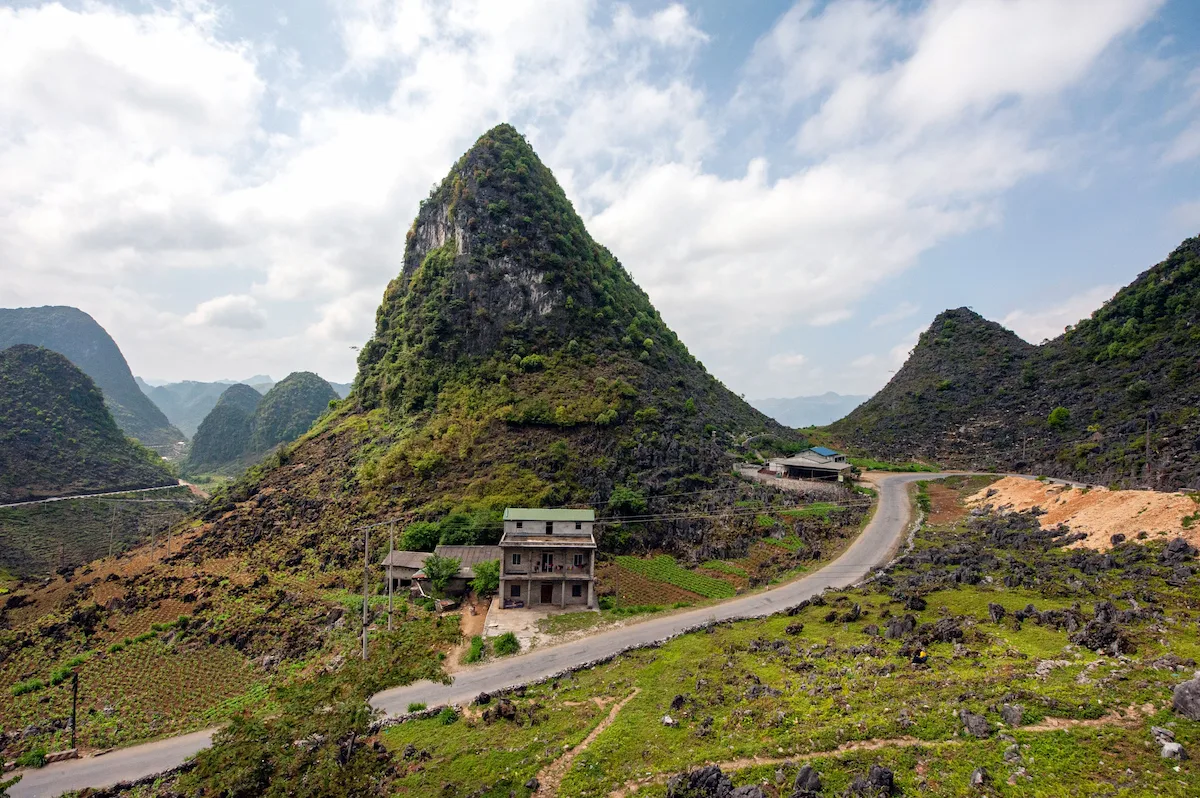
Ha Giang sits in Vietnam’s far north, where dramatic mountain scenery and vibrant hill-tribe culture draw adventurous travelers. Reaching Ha Giang from Hanoi is straightforward, but the best option depends on your budget, travel style, and how much you value time versus flexibility. This guide compares the main transport modes, clarifies where services depart and arrive, and explains what to verify before you depart. For broader context on the region, you can explore our Northern Vietnam Travel Guide.
Quick Overview
- Main options: sleeper bus, private car with a driver, and self-drive/motorbike for experienced riders.
- Common Hanoi departure hubs: My Dinh and Gia Lam stations; typical Ha Giang arrival is Ha Giang City (with some drops at Yen Minh or Dong Van).
- Door-to-door time varies: night buses roughy 8–10 hours; private car can shave time with fewer stops, depending on weather and road conditions.
- Best for: budget travelers (bus); comfort and flexibility (private car); adventure and riding skills (self-drive).
How to Get to Ha Giang from Hanoi: Main transport options
Sleeper bus from Hanoi to Ha Giang
Overnight sleeper buses are the most common entry point for first-time visitors to Ha Giang. They typically depart Hanoi in the evening from major hubs such as My Dinh (the city’s large bus and coach complex) and Gia Lam along with other pickup points, then arrive in Ha Giang City by morning. The journey is long, but you’ll sleep through much of it, and prices are generally lower than private car hire for solo travelers.
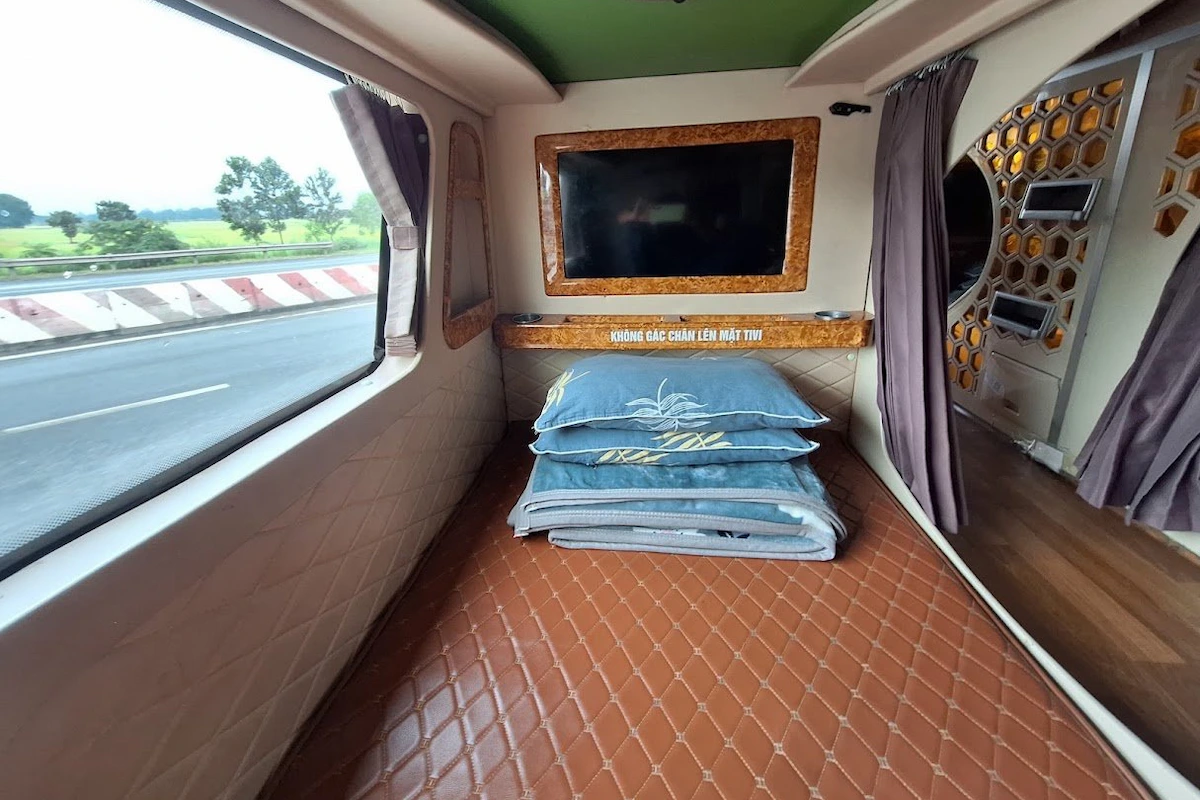
What to expect: several levels of comfort exist—from basic seating to private bunks in controlled- temperature compartments. Schedules and terminals can vary by operator, and some buses may drop you at the Ha Giang city terminal outside the town center rather than in the heart of the city. Always confirm the pickup point, estimated arrival time, and whether blankets or pillows are provided. If you’re traveling with a companion, ask about side-by-side seating or bunk arrangements to maximize comfort.
Why choose this option: it’s the most economical way to cover the distance and suits travelers who want to minimize daytime travel and wake up close to Ha Giang. Check the operator’s reputation, and consider purchasing a slightly higher comfort tier if you’re sensitive to long overnight rides. For reliability, book with a recognized operator and verify the terminal location a day or two before departure.
Travel tips
- Book sleeper options in advance during peak seasons (roughly spring and autumn).
- Bring a light blanket or neck pillow for comfort on longer legs of the trip.
- Carry cash for onboard purchases; card facilities are not universal on all operators.
Private car with a driver
A private, door-to-door transfer offers the most comfort and flexibility. A driver can wait for you at specific viewpoints, adjust the schedule to suit weather and photo opportunities, and drop you directly at your Ha Giang hotel or guesthouse. This option is significantly more expensive than a bus, but it can be cost-effective for groups or families traveling together, or travelers who value time and comfort.

What to expect: the drive follows mountain highways and winding passes through the northern countryside. Durations often range roughly from 6 to 9 hours, depending on stops and border traffic, with fewer long pauses than a bus. Before departure, agree on the route, stops, total price, and whether any tolls or extra charges apply. Request a written quotation and confirm what the fare covers (fuel, driver meals, parking) to avoid surprises.
Why choose this option: ideal for travelers who prize a smoother, more predictable schedule and the flexibility to tailor the journey. It’s practical for groups or travelers who want to combine Ha Giang with other northern stops in a single transfer. Booking via a reputable travel agency or hotel concierge helps ensure reliability.
Travel tips
- Ask the driver about the planned route and any detours for viewpoints or meals.
- Check if English-speaking assistance is available if you don’t speak Vietnamese.
- Agree on the pickup location in Ha Giang for easy hotel drop-off.
Self-driving or motorbike rental
For experienced riders, self-drive offers the ultimate sense of freedom. The Ha Giang region is famous for the Ha Giang Loop and other scenic routes that reward careful planning and robust riding skills. If you choose this option, you’ll typically fly into Hanoi, pick up a motorcycle in the city, and ride north, either as a standalone trip or as part of the broader loop starting near Ha Giang City.
Important considerations: road conditions along mountain passes can be challenging, and weather can change quickly. Ensure you have an international driving permit (and the local license accepted for motorbikes), a well-fitted helmet, and reliable riding gear. Inspect the bike, confirm the fuel arrangement, and understand what happens if you encounter mechanical issues on remote sections of the route. If you’re new to mountain driving, this option is best left to seasoned riders or supported by a guide or local operator.
Where do services depart and arrive?
Understanding where the journey starts and ends helps you plan the rest of your trip with minimal hassle.
- From Hanoi: Long-distance buses commonly depart from major hubs such as My Dinh (the main intercity bus complex) and Gia Lam. Some operators also pick up near the Old Quarter depending on their route and vehicle type.
- To Ha Giang: Most buses terminate at Ha Giang City’s provincial bus station, a short ride from the town center. A few services may drop in Yen Minh or Dong Van en route, especially if they are direct routes with fewer stops or if the operator targets specific hotels in those towns.
If you’re unsure where your bus will stop, ask your operator or ticket seller for the exact terminal or gate before departure. When you arrive, taxis and ride-hailing options are commonly available, and many hotels can arrange onward transfers.
What affects total journey time?
Several factors determine how long the journey takes from Hanoi to Ha Giang, regardless of the transport mode.
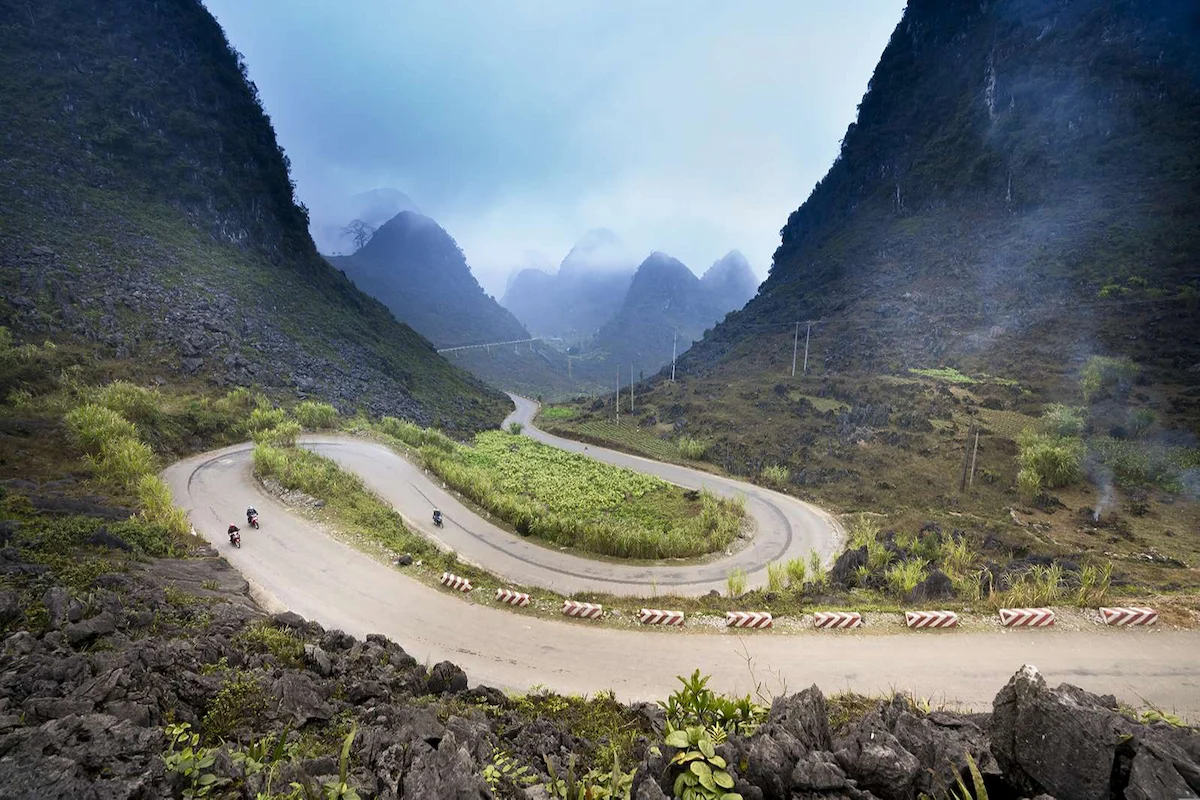
- Mountain highways and winding passes dominate the route, which naturally slows progress and increases fatigue, especially for night buses on curvy roads.
- Heavy rain, landslides, or fog can cause delays or detours. Winter conditions at higher passes can also affect speed and safety.
- Overnight buses often stop for meals or to pick up passengers; private cars may stop for viewpoints or rest breaks, which can add time but improve the experience.
- While not a border crossing for most travelers, local traffic around Hanoi and occasional checkpoints can influence timing.
- Some operators run tight schedules, others are more flexible with time. If time is important, confirm the timetable and any guaranteed arrival window in advance.
In short, a sleeper bus is usually a longer, cost-efficient option, while a private car can trim non-essential stops and offer a more predictable schedule. Always check the expected duration when you book and factor in potential delays during the season you’re traveling.
What should I check close to travel?
Preparation and verification ahead of departure reduce stress on arrival. Use this practical checklist as you finalize plans.
- Book with an established company or your hotel’s recommended partner. Read recent traveler reviews if possible.
- Confirm the exact departure point in Hanoi and the arrival terminal in Ha Giang. Some buses drop near town centers, others at distant stations.
- For sleeper buses, ask about bunk configuration, bedding, and air conditioning, especially if traveling in extreme weather.
- Verify what you can bring, where to store bags, and whether extra charges apply for large or heavy luggage.
- Carry your passport or ID and ensure you have the payment method accepted by the operator. If you’re hiring a driver, obtain a written quote and a clear itinerary in advance.
Important planning notes
- If you’re continuing from Ha Giang into Yen Minh, Dong Van, Meo Vac, or returning to Hanoi, plan the next leg in advance since public transport options can be sparser in those towns.
- Pack warm clothing; highland evenings can be chilly, even in shoulder seasons.
- Consider a correction factor for weather and road conditions—delays are common in northern Vietnam’s hilly terrain.
Frequently asked questions
How can I get from Hanoi to Ha Giang?
The most common option for first-time visitors is the overnight sleeper bus from Hanoi to Ha Giang City. A private car with a driver offers door-to-door comfort and flexibility, while self-driving is possible for experienced riders who want to tackle the Ha Giang Loop with a personal plan. note that there is no direct regular train to Ha Giang; land transport from Hanoi is the standard approach.
Where do buses from Hanoi depart and where do they arrive in Ha Giang?
Most long-distance buses depart from Hanoi’s My Dinh or Gia Lam stations and head to Ha Giang City’s provincial bus terminal. Some operators may collect passengers in the Old Quarter or other Hanoi hubs. In Ha Giang, buses typically terminate at the Ha Giang City terminal, with occasional drops in Yen Minh or Dong Van along the route. Always confirm the exact terminal at booking and again on the day of travel.
How long does the trip take, and what affects the time?
Travel time is influenced by the mode you choose and the weather. Night buses typically take about 8–10 hours under normal conditions, while private car transfers may reduce in-car time but include stops for meals or viewpoints. Road works, landslides, rain, and heavy traffic around Hanoi can add delays. If timing is crucial, confirm a realistic arrival window with your operator and plan buffer time for transfers to your next destination.
Should I hire a driver or self-drive, and what does each option involve?
Hiring a driver provides door-to-door service, predictable timing, and the option to stop at viewpoints or towns along the way. It is more expensive than a bus but valuable for groups or travelers who want maximum comfort and flexibility. Self-driving (or riding a motorbike) is best for experienced riders who enjoy a flexible schedule and the Ha Giang Loop; however, mountain roads demand careful riding, and weather can alter road conditions. Ensure you have the proper license, a reliable bike, and appropriate safety gear before choosing this option.
What should I check before departure to avoid problems?
Key checks include confirming the exact departure terminal, the arrival terminal in Ha Giang, and the expected arrival time. Verify whether the fare covers luggage, blankets, and meals, and confirm cancellation or change policies. If you hire a driver, obtain a written quote with a clear itinerary and payment terms. Finally, check the weather forecast and road conditions for the time of year you’re traveling, as northern Vietnam’s highlands can be affected by rain and landslides.
